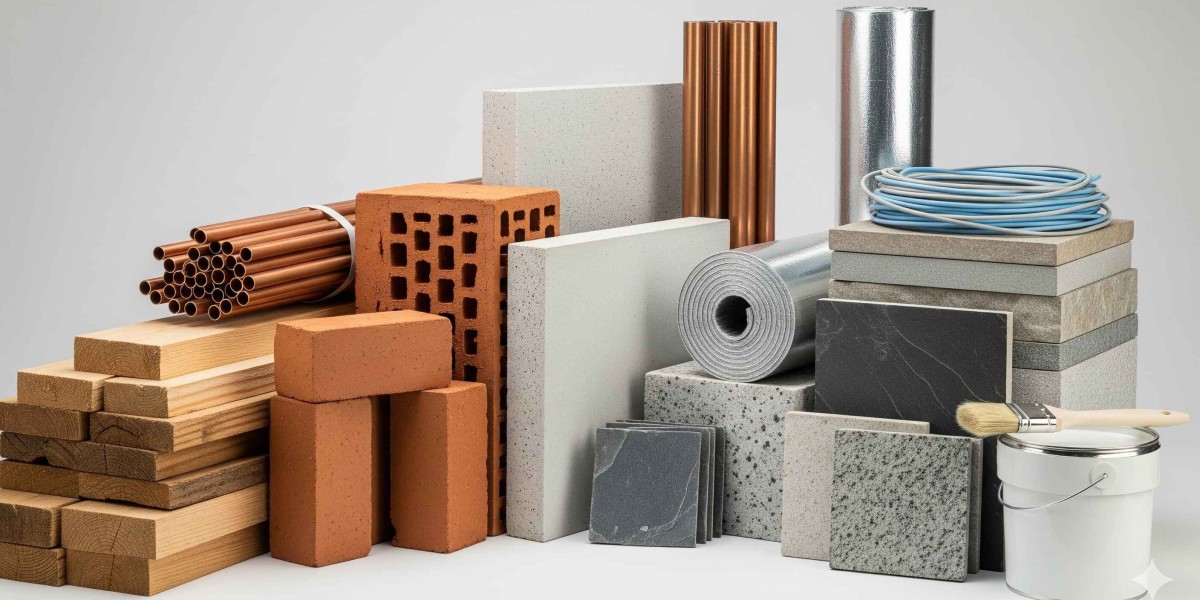

When you set out to build or renovate—whether a home, a shed, or even just upgrade some walls—what you build with matters as much as how you build. Picking the right building supplies ensures structures that stand up to weather, use, and time. The Building Materials section at Town & Country Hardware offers a wide variety of essentials: lumber and panels, concrete and masonry, drywall, roofing, windows and doors, trim, moulding, insulation, gutters, stair parts, moulding & millwork, and more. Using this variety smartly gives you better performance, longer life, and fewer surprises down the road.
What “Building Materials” Means in Practice
Building materials are all the physical components that go into construction: structural pieces (like lumber or steel), skin / siding, roofing, insulation, weather barriers, finishing pieces (trim, moulding), drywall, windows and doors, and accessories like gutters or flashing. Each piece plays a role:
Structural stability (lumber, panels, framing)
Weather protection (roofing, siding, flashing)
Insulation and energy efficiency (insulation, windows, doors)
Interior finishing and aesthetic touch (trim, moulding, drywall)
Durability and maintenance (concrete, masonry, sealers)
Key Qualities to Prioritize
To get the best performance, durability, and value, prioritize these qualities when selecting supplies:
Strength & Proper Rating
Choose materials rated for the load they’ll bear. For example, lumber or engineered wood should be suitable for ceiling or roof loads; panels should be thick enough for flooring or siding applications. Concrete mixes or masonry materials should meet the strength (psi) required for foundations or walls.Moisture Resistance
Many failures come from water: siding warping, wood rotting, drywall swelling. If your project is exposed to rain, humidity, ground contact, or splash zones, pick treated lumber, water-resistant panels, proper flashing, or sealants. Concrete or masonry work also benefits from good moisture control and sealing.Thermal and Energy Efficiency
Insulation material choice, window and door sealing, appropriate roofing materials, and tight wrap or vapour barrier all contribute to reduced heating/cooling costs. Properly selecting those slows heat gain or loss and increases comfort.Workability and Fit
Materials that are easy to cut, measure, join, and install reduce labor and mistakes. For example, panels that are true-flat, lumber that is straight, trim moulding that matches corners well. Good fit reduces waste.Durability & Low Maintenance
Finishes and materials that resist weather, wear, pests, and mechanical damage last longer. Masonry or concrete that resists cracking, siding that resists fading or rot, windows or doors with durable frames or hardware—all help minimize rework or replacements.Aesthetics & Finish
While the basics must be solid, appearance matters. Trim style, moulding profiles, paint or finish options for doors/windows, roofing color or texture—these all affect how pleasing the final result is, and often impact the home’s resale value.Cost vs Long-Term Value
Sometimes a material cost more up front but will save money later in terms of maintenance, energy bills, or replacements. Cheap materials may cost less now, but often cost more over time. It’s smart to balance cost with expected lifespan.
Categories of Building Materials & What to Watch For
Below are some major categories found in a full-stock building materials department, like at Town & Country Hardware, with tips on what to inspect:
Lumber & Panels
Check for straightness, absence of warping or cracks.
Understand treatment if used outdoors or near moist soil.
Panel type matters (plywood vs composite) depending on load and exposure.
Good finish or seal on cut edges helps prevent grade decline.
Concrete & Masonry
Choose proper mix ratios. Ready-mix bags that match your structural or foundation needs.
Reinforcement like rebar or mesh where foundation or heavy load is expected.
Masonry sealers prevent water infiltration.
Proper curing is important after laying concrete.
Drywall & Interior Finishes
Boards rated for moisture if in kitchens, bathrooms, basements.
Quality joint compound and tape to avoid cracking.
Trim and moulding material matched to the room (painted, stainable wood).
Roofing & Exterior Cladding
Underlayment, flashings, and gutters must be well installed from the start.
Roofing material selections that handle local climate (wind, snow, rain).
Cladding or siding that resists expansion/contraction, fading, rot.
Windows, Doors, & Hardware
Choose windows that seal well and offer energy efficiency.
Doors suited to exposure—exterior doors should be solid or well insulated.
Hardware (hinges, locks) should be durable and rust resistant.
Trim, Stair Parts, Finish Work
Pick moulding and millwork with consistent profiles, good finish.
Stair tread, railing hardware, balusters should be solidly built.
Finish selections affect aesthetic harmony, safety as well (no splinters etc.).
How to Use the Building Materials Inventory Wisely
Working with a well-stocked materials inventory gives you an advantage. Here are ways to use it:
Plan everything and measure precisely before you purchase: board lengths, number of panels, how many trim pieces, etc.
Buy slightly more than strict estimates to allow for cuts, mistakes, or damage.
Ask about mix-and-match savings or discounts for buying in bulk especially for lumber or concrete mixes.
Check for seasonal promotions or specials on certain material lines (roofing, siding, masonry).
Inspect materials on pickup—ensuring cleanliness, straightness, no damage—before loading.
Common Material Mistakes & How to Avoid Them
Here are frequent errors that cause problems:
Using untreated or low-grade wood in outdoor or moist areas → rot or decay starts early.
Skipping flashing or sealants around windows/doors, or neglecting water barriers → water infiltration.
Undersizing roofing or structural members → sagging, risk under load.
Ignoring thermal breaks or insulation → high energy bills, uncomfortable interiors.
Choosing finishes or colours without considering fading, exposure, or maintenance.