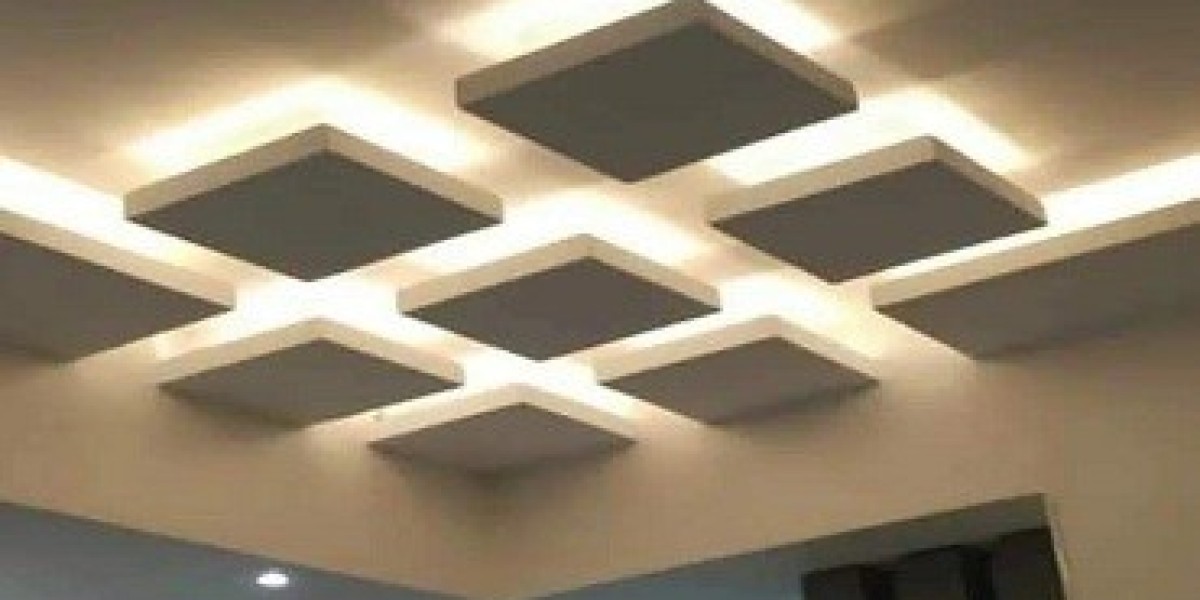

A gypsum false ceiling is not just an aesthetic choice for your home or office; it’s a clever design solution that offers a range of practical benefits. Whether you’re looking to improve the acoustics, conceal wiring, or add a touch of elegance, gypsum ceilings can achieve all that and more. In this blog, we’ll take a deeper look at the features, advantages, and installation process of gypsum false ceilings, along with design tips to help you create a modern, functional space.
What is a Gypsum False Ceiling?
A gypsum false ceiling, also known as a dropped or suspended ceiling, is a layer of gypsum boards suspended below the main ceiling structure. It is commonly used to enhance the visual appeal of rooms while also offering solutions to hidden electrical wiring, lighting fixtures, and HVAC systems. Its versatility, ease of installation, and aesthetic appeal make it a favorite among interior designers and homeowners alike.
Why Should You Choose a Gypsum False Ceiling?
Choosing a gypsum false ceiling for your home or office brings a host of advantages that go beyond its visual appeal. Here are some key reasons why this option is worth considering:
Sleek and Elegant Appearance: One of the biggest attractions of a gypsum false ceiling is its ability to create a seamless, sleek appearance. Whether you prefer a minimalist look or a more elaborate design, gypsum ceilings can be customized to suit any style or aesthetic.
Soundproofing and Insulation: Gypsum is an excellent material for soundproofing. A gypsum false ceiling helps reduce sound transmission between rooms, making it perfect for spaces like offices, studios, or bedrooms where noise control is essential. Moreover, the additional layer of gypsum offers insulation that can help regulate the temperature of your space.
Conceals Wires and Fixtures: A false ceiling provides a practical solution for hiding unsightly cables, wires, and plumbing. This not only improves the overall look of the room but also ensures safety by keeping electrical installations out of sight.
Increased Durability: Gypsum ceilings are built to last. With proper installation and maintenance, they can withstand the test of time without sagging or deteriorating. The material is also resistant to fire, providing an added layer of safety for your home or office.
Enhanced Lighting Options: Gypsum false ceilings allow for creative lighting designs. You can integrate LED lights, recessed lighting, or even cove lighting into the ceiling for a modern, sophisticated effect. This is especially effective in creating ambient or task lighting.
Types of Gypsum False Ceilings
The gypsum false ceiling market offers several types of ceilings that cater to different needs and preferences. Below are some popular options:
Plain Gypsum Ceiling: The most basic design, offering a smooth and unadorned finish. Ideal for those who prefer clean lines and minimalistic interiors.
Decorative Gypsum Ceiling: These ceilings feature ornate patterns and textures, making them a great choice for spaces where you want to add an extra layer of visual appeal, such as living rooms or luxury offices.
Grid Ceiling: Grid or modular gypsum ceilings consist of pre-fabricated panels arranged within a grid system. They are highly customizable and easy to install, making them a popular choice for commercial and industrial spaces.
Suspended Ceiling: A suspended or drop ceiling is installed lower than the original ceiling, creating a more dramatic effect. It’s often used in spaces with high ceilings or where additional space for HVAC systems is required.
How is a Gypsum False Ceiling Installed?
Installing a gypsum false ceiling is a straightforward process, but it should be done by experienced professionals to ensure quality results. Here’s a general overview of the installation steps:
Measuring and Marking: The first step is to measure the room and mark the positions for the framework. This ensures the ceiling will be level and correctly aligned with the existing structure.
Framework Setup: A metal framework (typically made of aluminum or steel) is installed to support the gypsum boards. The framework needs to be securely attached to the existing ceiling to ensure stability.
Fitting the Gypsum Boards: Once the framework is in place, gypsum boards are cut to size and attached to the metal grid. The boards are typically fixed with screws or nails.
Sealing and Finishing: After the gypsum boards are attached, the seams and joints are sealed with joint compound to create a smooth, seamless finish. The ceiling can then be painted or further decorated based on your preferences.
Lighting and Other Installations: Once the false ceiling is installed, you can add lighting fixtures, air conditioning vents, or any other necessary components to complete the look.
Maintenance and Care for Gypsum False Ceilings
Gypsum false ceilings are relatively low maintenance, but taking care of them will ensure they remain in top condition. Here are some essential maintenance tips:
Regular Cleaning: Dust and debris can accumulate on the surface of the ceiling. Use a soft brush or a microfiber cloth to wipe the surface clean regularly.
Prevent Water Damage: Gypsum is sensitive to moisture, so it’s important to address any water leakage issues quickly. Ensure that your bathroom or kitchen areas are properly ventilated to avoid humidity buildup.
Fix Small Cracks: Over time, small cracks may appear due to settling or temperature changes. These can be easily repaired using gypsum filler or joint compound.
Avoid Heavy Impact: Gypsum boards can crack if subjected to heavy impact. Be mindful when handling objects near the ceiling to avoid unnecessary damage.
Conclusion
A gypsum false ceiling is a stylish, functional, and cost-effective way to enhance your home or office space. Whether you’re aiming to create a sophisticated ambiance, improve acoustics, or conceal unsightly installations, a gypsum false ceiling offers a versatile solution. With its easy installation, long-lasting durability, and aesthetic flexibility, it’s no wonder that it has become a preferred choice for modern interiors.
If you’re looking to transform your space, consider investing in a gypsum false ceiling that not only elevates the look but also boosts the functionality of your room. With the right design, your ceiling can become an integral part of your interior decor.


