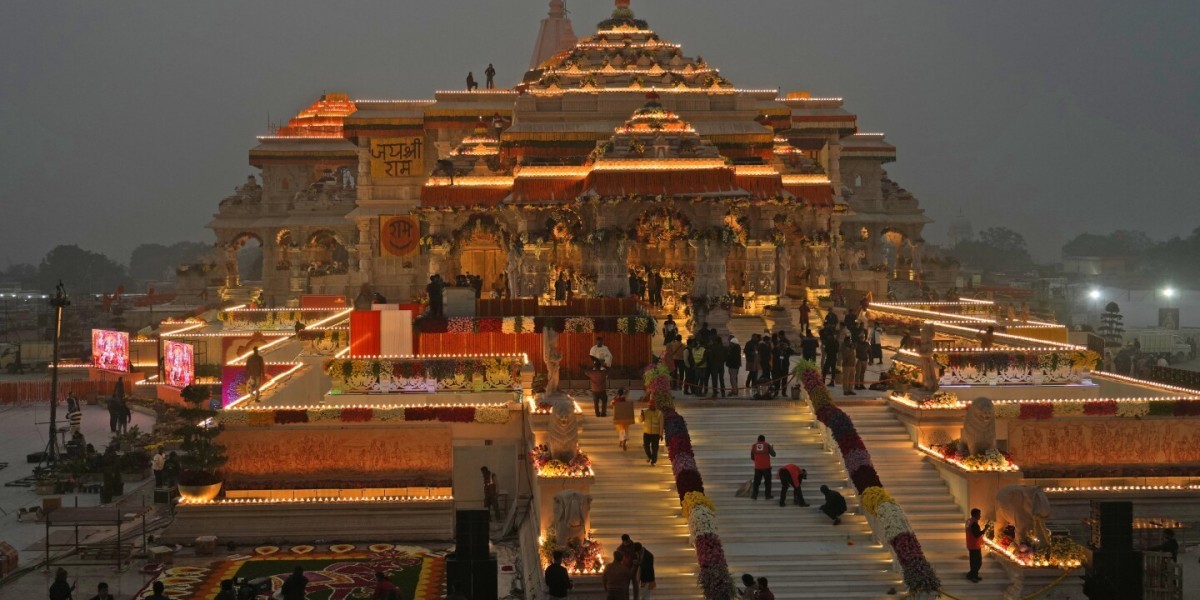

Ayodhya, the sacred birthplace of Lord Rama, is one of India’s most revered pilgrimage destinations. Planning your trip wisely is essential, and knowing the best time to visit Ayodhya ensures you experience the city’s temples, ghats, and festivals comfortably. With the grand Ram Mandir now open, Ayodhya has become a global spiritual hub.
This article explores Ayodhya’s climate, seasonal highlights, festivals, and travel tips, giving you a comprehensive 1500-word guide.
? Seasonal Overview
Season | Months | Temperature Range | Travel Experience |
Winter | October – March | 10°C – 25°C | Pleasant weather, ideal for sightseeing and festivals |
Summer | April – June | 30°C – 40°C | Hot afternoons, suitable for early morning/evening visits |
Monsoon | July – September | 25°C – 35°C | Heavy rainfall, lush greenery, but slippery ghats |
❄️ Winter (October – March): The Best Season
Pleasant Climate: Cool and comfortable weather makes temple visits enjoyable.
Festivals: Diwali Deepotsav, Ram Navami, and Makar Sankranti are celebrated with grandeur.
Activities: Evening aarti at Ram Ki Paidi, exploring Hanuman Garhi, and shopping for souvenirs.
Tourist Footfall: Peak season, so expect crowds and higher hotel rates.
☀️ Summer (April – June): Moderate Season
Weather: Hot afternoons with temperatures up to 40°C.
Travel Tips: Visit temples early morning or late evening to avoid heat.
Advantages: Budget-friendly accommodations and fewer crowds.
Festivals: Chaitra Ram Navami often falls in early summer.
?️ Monsoon (July – September): Off Season
Weather: Heavy rainfall and high humidity.
Risks: Slippery ghats and waterlogging can hinder sightseeing.
Advantages: Discounted hotel rates and lush greenery.
Festivals: Shravan month sees special rituals at temples.
? Festivals and Events
Ayodhya’s festivals align with the best time to visit:
Deepotsav (Diwali): Millions of diyas lit along the Sarayu River.
Ram Navami: Celebrates Lord Rama’s birth with processions and rituals.
Makar Sankranti: Holy dips in the Sarayu River.
Chhath Puja: Devotees worship the Sun God at river ghats.
? Tourist Attractions to Explore
Ram Janmabhoomi Temple: The grand Ram Mandir.
Hanuman Garhi: Fortress-like temple dedicated to Lord Hanuman.
Kanak Bhawan: Known as the “House of Gold.”
Ram Ki Paidi: Ghats along the Sarayu River.
Dashrath Mahal: Residence of King Dashrath.
Gulab Bari: Mughal-era garden and tomb.
?️ Shopping and Cuisine
Shopping: Religious souvenirs, wooden artifacts, and Madhubani paintings.
Cuisine: Vegetarian meals, street food like chaat and jalebi, and festival sweets like laddoo.
✈️ Travel Tips
Best Time: October to March for pleasant weather and festivals.
Transport: Well-connected by rail, road, and nearby airports (Lucknow, Ayodhya Airport).
Local Travel: Auto-rickshaws and taxis available.
Safety: Respect temple customs and dress modestly.
? Why October to March is Ideal
Comfortable climate for sightseeing.
Major festivals celebrated during this period.
Evening aarti and temple visits are more enjoyable.
Peak tourist season ensures vibrant atmosphere.
? Conclusion
The best time to visit Ayodhya is undoubtedly October to March, when the weather is cool, festivals are in full swing, and the city glows with devotion. Summers are manageable with precautions, while monsoons offer greenery but pose travel challenges.
Whether you’re visiting the Ram Mandir, attending the Deepotsav, or taking a holy dip in the Sarayu River, Ayodhya promises unforgettable experiences. Plan your trip during winter to truly embrace the spiritual and cultural essence of this timeless city.