
Most people diagnosed with an L5-S1 disc bulge improve with conservative care, but some patients continue to suffer despite medications and physiotherapy. Knowing when surgery is actually required is one of the most important concerns for patients dealing with persistent lower back and leg pain.
This guide explains L5-S1 disc bulge treatment from a decision-making perspective—helping patients understand when non-surgical care is enough and when Spine Surgery Treatment becomes necessary for long-term relief.
What Is L5-S1 Disc Bulge?
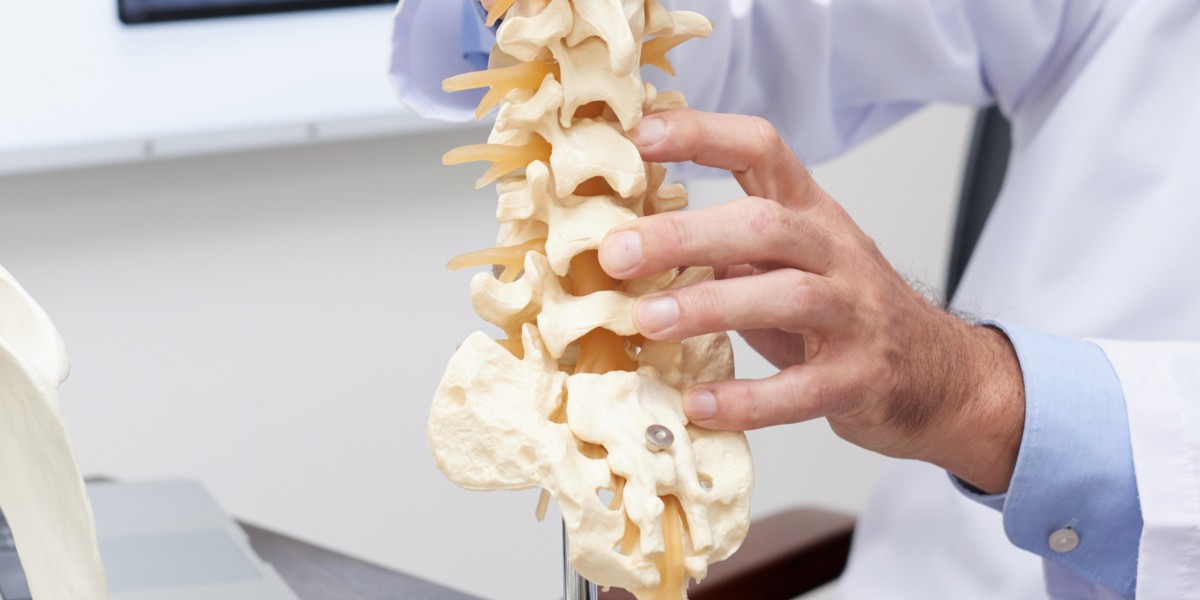
To understand surgical decision-making, it is essential to know what is L5-S1 disc bulge. The L5-S1 disc lies between the lowest lumbar vertebra and the sacrum, making it one of the most stressed segments of the spine.
A disc bulge occurs when the disc extends outward due to degeneration or mechanical stress. Although the disc does not rupture, the bulge can compress nearby nerves, leading to pain and neurological symptoms. Early L5-S1 disc bulge treatment often prevents progression to more serious conditions.
Symptoms of L5-S1 Disc Bulge That Should Not Be Ignored
While mild pain can improve with rest and therapy, worsening symptoms signal the need for urgent evaluation.
Severe symptoms of L5-S1 disc bulge include:
Persistent leg pain not relieved by rest
Increasing numbness or tingling
Progressive leg weakness
Difficulty walking or standing
Loss of bladder or bowel control
Such symptoms may indicate nerve damage and increase the likelihood of needing Spine Surgery Treatment.
L5-S1 Disc Bulge Causes and Their Impact on Treatment
Understanding L5-S1 disc bulge Causes helps doctors decide whether surgery is necessary.
Common causes include:
Age-related disc degeneration
Repetitive heavy lifting
Prolonged poor posture
Sudden spinal trauma
Patients with ongoing mechanical stress or advanced degeneration may respond less effectively to conservative L5-S1 disc bulge treatment.
When Is Non-Surgical Treatment Enough?
In most cases, non-surgical care is the first line of L5-S1 disc bulge treatment.
Conservative treatment works well when:
Pain is mild to moderate
Symptoms improve within 4–6 weeks
There is no progressive weakness
Daily activities gradually become easier
Physiotherapy, medications, posture correction, and lifestyle care are usually sufficient in such cases.
Signs That Surgery May Be Required
Surgery is considered only when specific criteria are met.
Surgery may be needed if:
Pain persists beyond 6–8 weeks despite treatment
Severe sciatica limits daily life
Progressive nerve weakness develops
MRI shows significant nerve compression
Quality of life is severely affected
At this stage, continuing only conservative L5-S1 disc bulge treatment may delay recovery and worsen nerve damage.
Role of Spine Surgery Treatment in L5-S1 Disc Bulge
Spine Surgery Treatment aims to relieve nerve pressure and restore function, not just reduce pain.
Modern spine surgery focuses on:
Minimal tissue damage
Faster recovery
High success rates
Surgery is recommended only when benefits clearly outweigh risks.
Common Surgical Options for L5-S1 Disc Bulge Treatment
1. Microdiscectomy
Microdiscectomy is the most commonly performed surgery for L5-S1 disc bulge.
How it helps:
Removes the bulging disc portion
Relieves nerve compression
Provides rapid leg pain relief
It is a gold-standard procedure in advanced L5-S1 disc bulge treatment.
2. Endoscopic Spine Surgery
This minimally invasive Spine Surgery Treatment uses small instruments and a camera.
Advantages include:
Smaller incision
Less muscle damage
Faster recovery
Reduced post-operative pain
Endoscopic surgery is increasingly preferred when suitable.
3. Spinal Fusion (Selective Cases)
Fusion is considered only in cases of spinal instability, repeated disc issues, or severe degeneration.
While effective, it is usually the last option in L5-S1 disc bulge treatment.
What Happens If Surgery Is Delayed Too Long?
Delaying surgery when it is clearly indicated can lead to:
Permanent nerve damage
Chronic weakness
Reduced surgical success
Longer recovery time
This is why timely evaluation is crucial when symptoms of L5-S1 disc bulge worsen.
Recovery After Surgical L5-S1 Disc Bulge Treatment
Immediate Recovery
Walking within 24–48 hours
Reduced leg pain soon after surgery
Short hospital stay
Long-Term Recovery
Physiotherapy after healing
Return to work in 4–6 weeks
Full recovery in 8–12 weeks
Following post-surgical guidelines ensures long-term success of Spine Surgery Treatment.
Can Surgery Be Avoided Completely?
Yes, many patients never require surgery.
Surgery can often be avoided by:
Early diagnosis
Timely physiotherapy
Correct posture and ergonomics
Weight management
Regular exercise
These measures improve outcomes of non-surgical L5-S1 disc bulge treatment.
Choosing the Right Time for Surgery
The decision for surgery should be based on:
Symptom severity
MRI findings
Response to treatment
Impact on daily life
A spine specialist evaluates all factors before recommending Spine Surgery Treatment.
Importance of Expert Consultation
Not every disc bulge needs surgery. Proper diagnosis ensures that patients receive the most appropriate L5-S1 disc bulge treatment, avoiding unnecessary procedures.
Second opinions and detailed evaluations often help patients feel confident in their treatment decisions.
Conclusion
Surgery for L5-S1 disc bulge is not the first step—but it becomes essential when conservative care fails or nerve damage risk increases. Understanding what is L5-S1 disc bulge, recognizing warning symptoms, and addressing underlying L5-S1 disc bulge Causes help patients decide the right course of action.
With timely intervention, modern Spine Surgery Treatment offers excellent outcomes and restores quality of life. The key lies in choosing the right treatment at the right time.