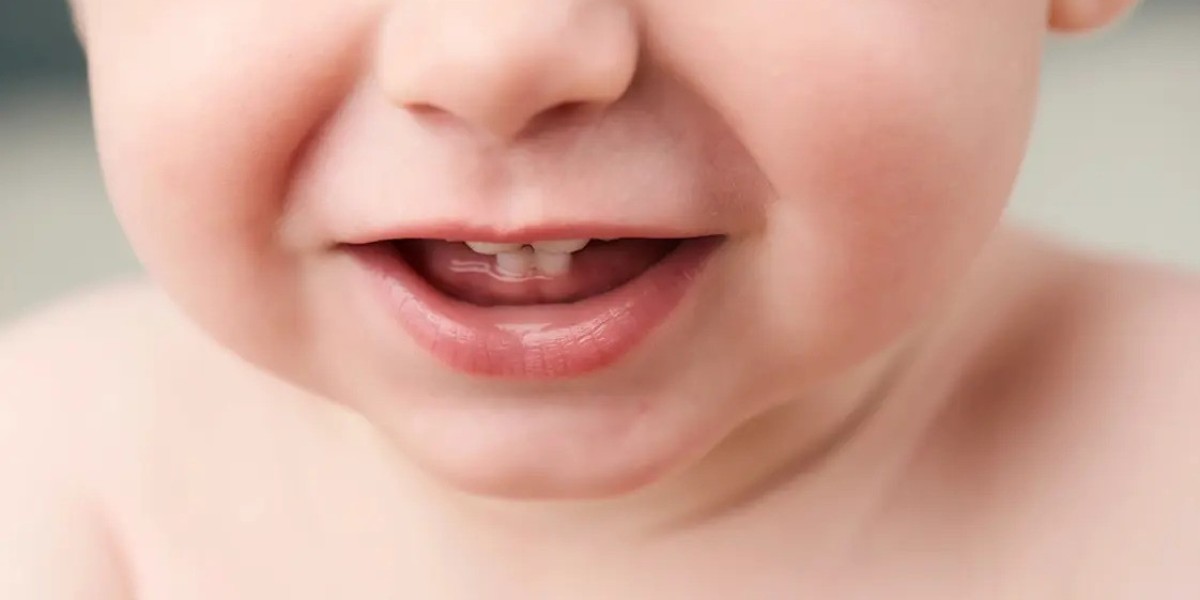

Hearing strange grinding sounds coming from your baby’s mouth at night can be alarming for any parent. Many mothers and fathers worry that something painful or serious is happening. In reality, Bruxism in Infants is more common than most people realize and is usually temporary.
Infant teeth grinding often begins as soon as the first teeth erupt. Babies cannot explain discomfort, stress, or developmental changes, so their bodies react in different ways. Teeth grinding is one such reaction that tends to raise concern but rarely signals danger.
Understanding why infants grind their teeth at night helps parents stay calm and respond correctly. When you know the causes, symptoms, and solutions, you can protect your child’s comfort and oral health without unnecessary anxiety.
This guide explains everything in clear, simple language. You’ll learn what causes infant bruxism, when it’s normal, when to worry, and how to manage it safely at home.
What Is Infant Teeth Grinding and Why It Happens
Infant teeth grinding refers to the habit of clenching or rubbing teeth together, most often during sleep. It may sound harsh, but in many cases, it’s simply part of natural development.
Babies experience rapid growth in their jaw muscles, nerves, and teeth alignment. Grinding can occur as their bodies adjust to these changes. Since infants spend much time sleeping, nighttime grinding is most noticeable.
Teeth grinding usually appears between six months and three years of age. It often fades away on its own as the child grows older and gains better muscle control.
Teething and Gum Discomfort
Teething is one of the most common causes of infant grinding. As teeth push through the gums, pressure and soreness develop.
Grinding may help babies relieve this uncomfortable sensation. The pressure created by clenching can temporarily soothe irritated gums.
This type of grinding typically appears during new tooth eruptions and stops once the tooth fully emerges.
Exploring New Sensations
Babies constantly explore their bodies. When new teeth appear, infants may grind simply because it feels new and interesting.
Grinding helps babies understand how their teeth fit together. It’s similar to how infants explore with their hands or mouth objects.
This behavior is usually harmless and disappears naturally with time.
Developing Jaw and Muscle Control
Jaw muscles are still developing during infancy. Grinding can occur as muscles strengthen and coordination improves.
This type of bruxism is often irregular and mild. It does not usually damage teeth or cause pain.
As muscle control matures, the grinding habit often fades away.
Is Nighttime Teeth Grinding Harmful for Infants?
Most cases of infant teeth grinding are harmless. The enamel on baby teeth is designed to handle short-term grinding without permanent damage.
However, parents should still observe the habit carefully. Frequency, intensity, and accompanying symptoms matter when determining whether intervention is needed.
Pediatric dental experts, including those at Broadway Family Dentists, often reassure parents that mild grinding is rarely a cause for concern.
Signs That Grinding Is Normal
Normal grinding occurs occasionally and does not cause visible tooth damage. Your baby remains comfortable, eats well, and sleeps peacefully.
There is no swelling, bleeding, or extreme fussiness linked to the habit. Teeth appear intact and gums look healthy.
In such cases, observation is usually all that’s required.
When Grinding Needs Attention
If grinding happens nightly, sounds very loud, or lasts for long periods, it deserves closer attention.
Signs such as tooth chipping, jaw stiffness, facial discomfort, or disrupted sleep suggest a deeper issue.
In these situations, professional evaluation helps rule out underlying causes.
Possible Medical or Emotional Triggers
In rare cases, grinding may be linked to ear infections, airway issues, or reflux discomfort.
Stress or changes in routine can also trigger nighttime grinding. Even infants respond physically to emotional shifts.
Addressing the root cause often reduces or stops the grinding habit naturally.
How Parents Can Help and Prevent Excessive Grinding
While most infant teeth grinding resolves on its own, parents can take simple steps to minimize discomfort and prevent potential problems.
Creating a calming bedtime routine is one of the most effective approaches. Babies thrive on consistency and comfort.
Gentle care and awareness go a long way in managing nighttime bruxism safely.
Comforting Teething Relief Methods
Teething toys made of soft, baby-safe materials help relieve gum pressure.
Cold teething rings can soothe inflamed gums and reduce the urge to grind.
Always supervise teething tools to ensure safety and hygiene.
Establishing a Calm Sleep Environment
A quiet, dimly lit sleeping area promotes relaxation. Reducing stimulation before bedtime helps babies settle peacefully.
Gentle rocking, soft music, or bedtime stories can reduce stress-related grinding.
Consistency in sleep routines reassures infants and supports restful sleep.
When to Consult a Pediatric Dentist
If grinding persists beyond toddler years or causes visible damage, consult a pediatric dentist.
Early evaluation prevents long-term dental complications and provides peace of mind.
Professional guidance ensures your child’s oral development stays on track.
Frequently Asked Questions
Q: Is infant teeth grinding painful for babies?
A: In most cases, infant teeth grinding is not painful. Babies usually grind due to teething, exploration, or muscle development. If pain were present, you would notice excessive crying, feeding difficulty, or sleep disruption.
Q: Can infant teeth grinding damage baby teeth?
A: Occasional grinding rarely causes damage. Baby teeth are strong enough to handle mild grinding. However, persistent or aggressive grinding should be monitored by a dental professional.
Q: Should I stop my baby from grinding teeth at night?
A: No direct intervention is needed in most cases. Comfort measures and routine monitoring are sufficient. For severe or ongoing grinding, professional advice is recommended.
Conclusion
Hearing your infant grind their teeth at night can be unsettling, but understanding the reason behind it makes all the difference. In most cases, this behavior is a normal part of development and resolves naturally with time.


