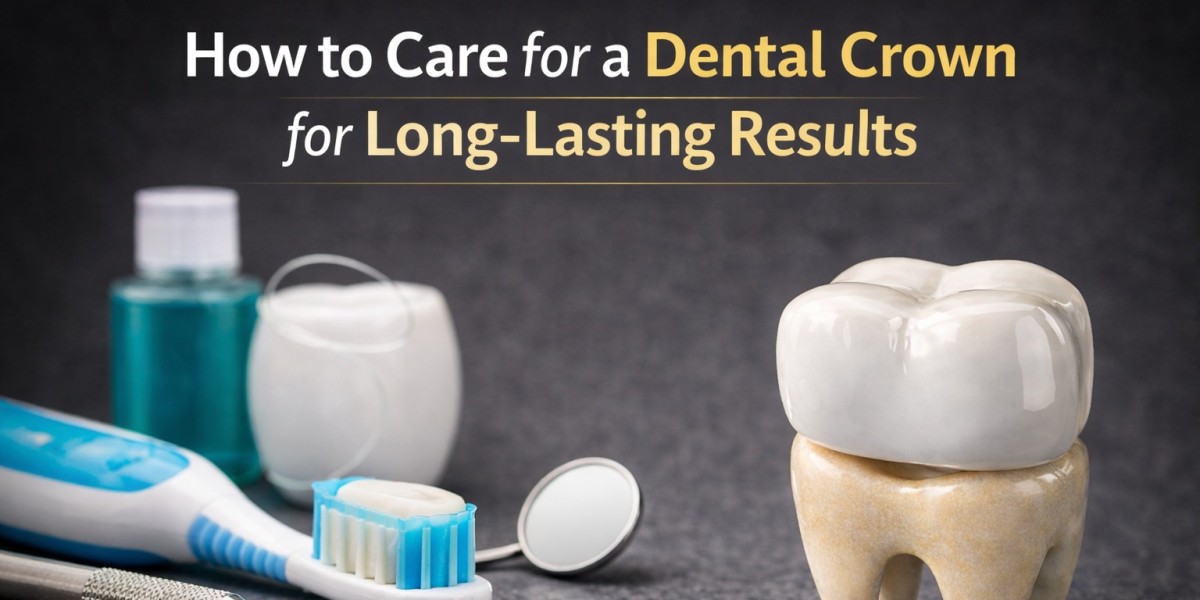

How to Care for a Dental Crown: A Complete, Dentist-Approved Guide
Dental crowns are designed to restore strength, function, and appearance to damaged teeth. While crowns are durable and long-lasting, they are not maintenance-free. Proper care plays a major role in how long your crown lasts and how healthy the tooth underneath remains.
Whether you recently received a crown or are planning treatment soon, this guide explains exactly how to care for a dental crown, what habits help it last longer, what mistakes shorten its lifespan, and when to seek professional help.
If you are considering professional restorative care, dental crowns in Cedar Knolls offer a reliable, natural-looking solution backed by modern dentistry and personalized treatment planning.
Understanding Dental Crowns and Their Purpose
A dental crown is a custom-made cap placed over a tooth to restore its shape, size, strength, and appearance. Crowns fully encase the visible portion of a tooth above the gum line.
They are commonly recommended for:
Teeth weakened by decay or large fillings
Cracked or broken teeth
Teeth after root canal treatment
Worn-down teeth due to grinding
Cosmetic improvement of misshapen or discolored teeth
Supporting dental bridges
Covering dental implants
Although crowns themselves cannot decay, the natural tooth beneath them can. This makes daily care and regular dental visits essential.
How Long Do Dental Crowns Typically Last?
Dental crowns can last 10 to 20 years or longer with proper care. Their lifespan depends on several factors.
Factors That Affect Crown Longevity
| Factor | Impact on Crown Life |
|---|---|
| Oral hygiene habits | Prevents decay at crown margins |
| Diet choices | Reduces fracture and cement breakdown |
| Teeth grinding | Can shorten lifespan significantly |
| Crown material | Some materials resist wear better |
| Dental checkups | Early detection of problems |
Good habits can extend the life of your crown well beyond average expectations.
Daily Dental Crown Care: The Basics That Matter Most
Caring for a dental crown begins with consistent daily oral hygiene. These habits protect both the crown and the tooth underneath.
Brushing Your Crown Correctly
Brush at least twice daily using a soft-bristled toothbrush.
Best brushing practices:
Use gentle pressure near the gum line
Angle the brush at 45 degrees
Brush for a full two minutes
Clean all sides of the crowned tooth
Choose fluoride toothpaste to strengthen surrounding enamel and reduce cavity risk.
Flossing Around a Crown (Yes, It’s Essential)
Flossing removes plaque from areas brushing cannot reach.
Proper flossing tips for crowns:
Slide floss gently between teeth
Curve it into a C-shape
Move it up and down against the tooth surface
Avoid snapping floss downward
Helpful alternatives:
Water flossers
Interdental brushes
Floss threaders for bridges
Choosing the Right Dental Products for Crown Care
Not all dental products are crown-friendly.
Toothpaste Selection
Avoid overly abrasive toothpastes, especially for porcelain or ceramic crowns.
Recommended toothpaste types:
Non-abrasive formulas
Sensitive-teeth toothpaste
Fluoride-based products
Mouthwash Use
Alcohol-free mouthwash is ideal, especially for patients with gum sensitivity.
Benefits of mouthwash:
Reduces plaque buildup
Supports gum health
Freshens breath
Helps prevent decay around crown margins
Eating With a Dental Crown: What to Enjoy and What to Avoid
Crowns are strong, but poor dietary habits can damage them.
Foods to Be Careful With
Hard candies
Ice cubes
Popcorn kernels
Sticky candies (toffee, caramel)
Chewing gum (in excess)
Crown-Friendly Foods
| Safe Choices | Why They Help |
|---|---|
| Soft fruits | Low stress on crown |
| Lean proteins | Nutrient-dense |
| Cooked vegetables | Easy to chew |
| Dairy products | Support enamel health |
Sugar and Acid Awareness
Sugar and acidic foods increase the risk of decay at the crown edge.
After consuming acidic foods:
Rinse with water
Wait 30 minutes before brushing
Protecting Your Crown From Physical Damage
Certain habits place unnecessary stress on crowns.
Habits to Avoid
Chewing pens or fingernails
Opening packages with teeth
Grinding or clenching
Night Grinding (Bruxism)
Teeth grinding is one of the leading causes of crown failure.
Signs you may grind your teeth:
Morning jaw pain
Headaches
Flattened teeth
Chipped crowns
A custom nightguard can dramatically extend crown lifespan.
Dental Crowns and Sports: Protection Matters
If you participate in sports or high-impact activities, protection is essential.
Why Mouthguards Are Important
Prevent crown fractures
Reduce risk of tooth loss
Protect surrounding teeth
Custom-fit mouthguards offer superior comfort and protection compared to over-the-counter options.
Regular Dental Visits: A Critical Part of Crown Care
Professional monitoring ensures long-term success.
What Dentists Check During Visits
Crown fit and stability
Signs of decay under the crown
Gum health around margins
Bite alignment
Recommended Visit Frequency
Most patients benefit from dental visits every six months, though some may need more frequent monitoring.
Warning Signs Your Dental Crown Needs Attention
Early detection prevents major complications.
Common Red Flags
Sensitivity when biting
Pain with temperature changes
Loose or shifting crown
Gum swelling near the crown
Visible cracks or chips
Do not ignore symptoms. Early treatment often prevents crown replacement.
What to Do If a Crown Comes Loose or Falls Off
Crowns can loosen due to cement breakdown or decay underneath.
Immediate Steps to Take
Save the crown if possible
Rinse your mouth gently
Avoid sticky or hard foods
Contact your dentist immediately
Avoid using household glue or DIY cement products.
Crown Care After a Root Canal
Teeth that have undergone root canal treatment are more brittle.
Extra precautions include:
Avoid heavy chewing on that side
Wear a nightguard if grinding
Maintain strict oral hygiene
Dental Crown Materials and Care Differences
Different materials require slightly different care approaches.
| Crown Material | Special Considerations |
|---|---|
| Porcelain | Avoid abrasive toothpaste |
| Zirconia | Extremely durable |
| Metal | Very strong, less aesthetic |
| Porcelain-fused-to-metal | Monitor gum recession |
Your dentist can recommend care tailored to your crown type.
Common Myths About Dental Crown Care
Myth 1: Crowns Don’t Need Special Care
Reality: Crowns require the same, or better, care than natural teeth.
Myth 2: Crowns Last Forever
Reality: Crowns last many years, but maintenance matters.
Myth 3: Pain Is Normal After Placement
Reality: Mild sensitivity is normal initially; ongoing pain is not.
How Proper Crown Care Supports Overall Oral Health
Well-maintained crowns help prevent:
Gum disease
Tooth loss
Bite misalignment
Secondary decay
Healthy crowns support a balanced bite and confident smile.
Final Thoughts: Make Your Dental Crown Last for Years
Caring for a dental crown is not complicated, but it does require consistency. With proper brushing, flossing, mindful eating, protective habits, and routine dental visits, your crown can remain strong, functional, and natural-looking for decades.
If you are seeking expert restorative care, personalized treatment, and long-lasting results, explore dental crowns in Cedar Knolls with a team dedicated to protecting your smile at every stage.
For comprehensive, patient-focused dental care backed by experience and advanced technology, visit The Advanced Dental Center of Cedar Knolls


