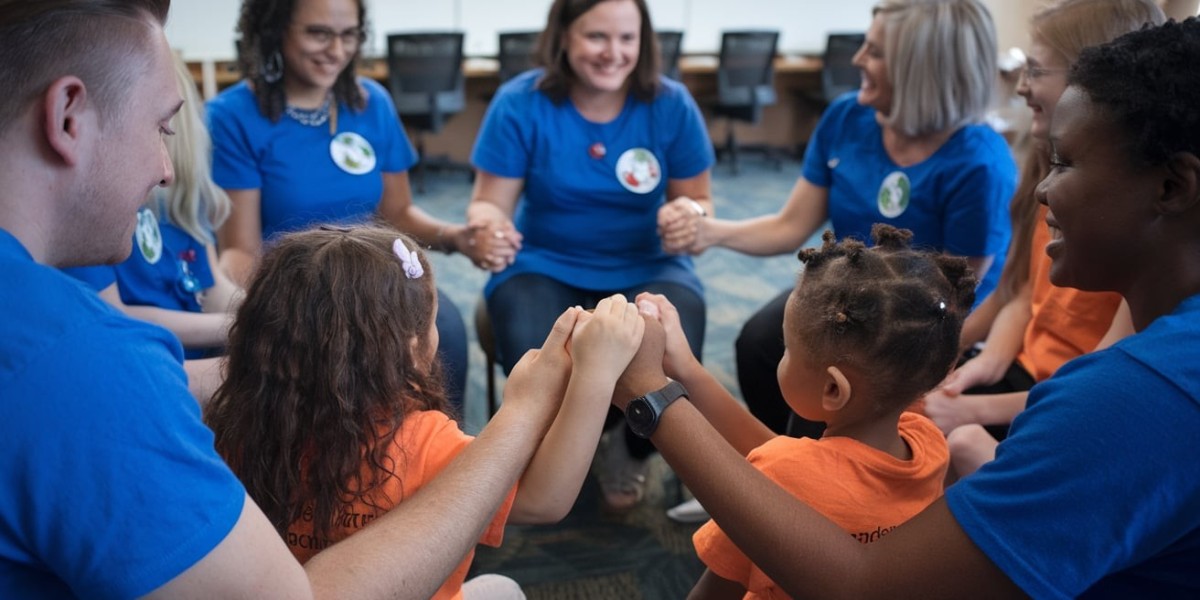

Foster family support services play a vital role in ensuring that foster carers are well equipped to provide safe, stable, and nurturing environments for children who cannot live with their biological families. Foster care involves caring for children who may have experienced trauma, neglect, or family disruption, and strong support systems help foster families meet these complex needs with confidence and compassion.
What Are Foster Family Support Services?
Foster family support services are a range of practical, emotional, and professional supports provided to foster carers throughout their fostering journey. These services are designed to assist carers before, during, and after a child is placed in their home. The goal is to strengthen foster families, promote placement stability, and support positive outcomes for children in care.
Support services recognise that foster carers are not expected to manage challenges alone. Instead, they are part of a wider care team that works together to prioritise the wellbeing and development of each child.
Training and Skill Development
One of the most important components of foster family support is training. Before welcoming a child into their home, foster carers typically receive pre-service training that covers topics such as child development, trauma-informed care, behaviour management, and effective communication. This training helps carers understand the experiences many children in care have faced and how these experiences may affect behaviour and emotions.
Ongoing training opportunities are also available, allowing foster families to continue developing their skills as situations change. This continuous learning helps carers feel more confident and prepared to respond to challenges while supporting children in healthy and positive ways.
Caseworker Guidance and Professional Support
Foster family support services include regular contact with caseworkers and child welfare professionals. Caseworkers provide guidance, coordinate care plans, and act as a key point of contact for foster families. They help carers understand placement expectations, navigate systems such as education and healthcare, and advocate for the child’s needs.
Having access to professional support ensures foster families receive timely advice and reassurance, particularly during difficult or stressful periods. This collaborative approach helps maintain stability and promotes positive experiences for both carers and children.
Emotional Support and Peer Networks
Caring for children in foster care can be emotionally demanding, which is why emotional support is a critical part of foster family services. Many support programs offer access to counselling, support groups, or peer networks where carers can connect with others who share similar experiences.
Peer support allows foster families to exchange advice, share challenges, and celebrate successes. Feeling understood and supported by others helps reduce stress and prevents burnout, enabling carers to continue providing consistent and nurturing care.
Practical Assistance and Resources
Foster family support services also provide practical assistance to help carers manage day-to-day responsibilities. This may include financial allowances, access to essential resources, and help with school supplies, medical appointments, or extracurricular activities.
Respite care is another valuable support option, allowing foster families to take short breaks when needed. This ensures carers can rest and recharge while maintaining a stable care environment for the child.
Strengthening Outcomes for Children
The ultimate purpose of foster family support services is to improve outcomes for children in care. When foster families receive the right support, children are more likely to experience stability, emotional security, and positive development. Supported carers are better able to build trusting relationships, manage behavioural challenges, and help children feel safe and valued.
Strong support services also contribute to fewer placement disruptions, helping children maintain routines and relationships that are essential for their wellbeing.
The Importance of Ongoing Support
Foster care is not a one-time commitment but an ongoing journey that evolves over time. Foster family support services ensure carers are supported at every stage, from initial assessment through placement and beyond. By providing training, professional guidance, emotional encouragement, and practical resources, these services empower foster families to make a lasting and positive difference in children’s lives.
In summary, understanding foster family support services highlights how essential they are to the foster care system. Through comprehensive and consistent support, foster families are better prepared to meet challenges, nurture resilience, and help children move toward brighter, more secure futures.