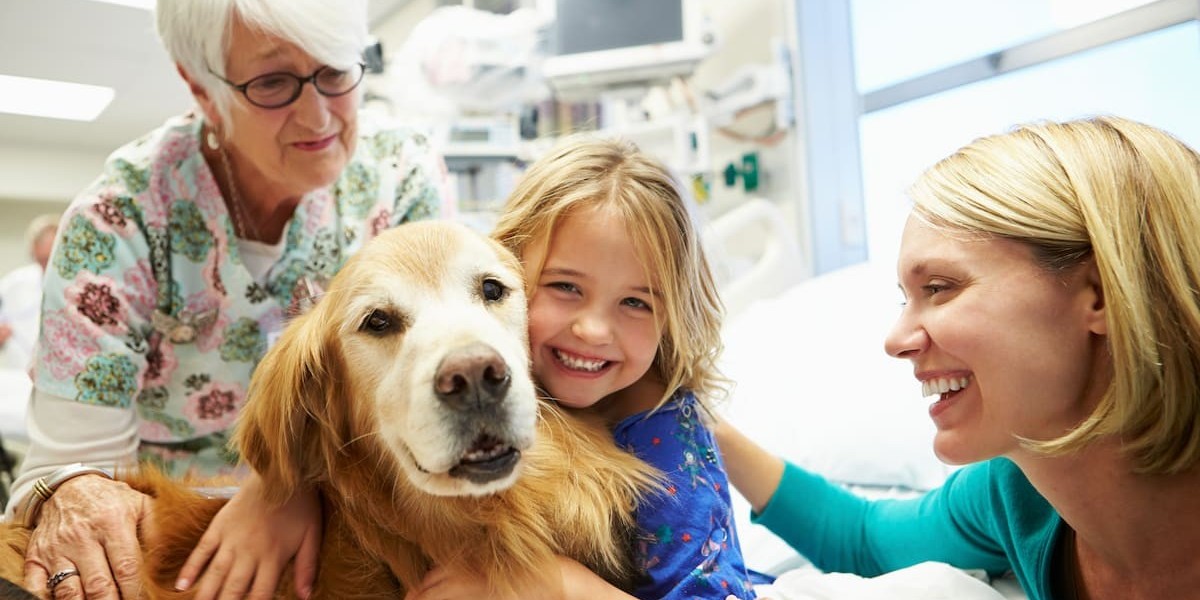

Animal assisted psychotherapy has evolved from a supplementary approach to a structured, evidence-based therapy that significantly enhances engagement when traditional methods feel intimidating. In my experience, the presence of an animal can transform the energy of a therapy session almost immediately. Clients who initially appear tense or guarded often relax within minutes, creating the trust and safety essential for healing. As anxiety and trauma-related disorders continue to rise in the U.S., animal assisted psychotherapy is increasingly recognized for its ability to strengthen the therapeutic bond from the very first session.
This article examines animal assisted psychotherapy through the PAS framework, exploring why some clients struggle in traditional therapy, how those challenges escalate, and the ways animals help overcome them.
The Problem: Why Forming a Therapeutic Bond Is Hard for Many People
The therapeutic bond is the foundation of effective therapy. Without it, progress can stall or stop entirely. Many clients face difficulties opening up, particularly during the therapy intake phase. According to the American Psychological Association, nearly 20 percent of clients discontinue therapy prematurely, often because they do not feel understood or comfortable.
Animal assisted psychotherapy addresses this challenge directly. Traditional therapy relies heavily on verbal communication, which can overwhelm individuals dealing with trauma, social anxiety, or emotional shutdown. Therapy intake sessions often ask deeply personal questions before trust is established. In contrast, animal assisted psychotherapy softens these moments, providing a shared focus that reduces pressure and makes the intake process feel more natural.
Agitate: What Happens When the Bond Never Forms
When the therapeutic bond fails to develop early, sessions may feel forced. Clients might attend physically but remain emotionally distant, leading to frustration for both parties. Data from the National Alliance on Mental Illness identifies inconsistent engagement as one of the top reasons therapy fails.
Without animal assisted psychotherapy, some clients remain at a surface level, nodding politely while withholding deeper emotions. This pattern is not a reflection of therapist skill but often the result of the environment. Animal assisted psychotherapy breaks this cycle. The presence of an animal lowers emotional barriers, allowing clients to speak more freely, even during early therapy intake conversations, and creating a more supportive and safe environment.
The Solution: How Animal Assisted Psychotherapy Builds Trust
Animal assisted psychotherapy works because humans naturally respond to animals with openness and calm. Research published by the National Institutes of Health demonstrates that interacting with animals can reduce cortisol and increase oxytocin, a hormone linked to bonding. This biological response directly supports the therapeutic process.
In animal assisted psychotherapy, the animal is not a distraction—it is a vital part of the treatment plan. Clients who struggle to make eye contact or express emotions often find comfort in petting or sitting near an animal, bridging the gap between silence and meaningful conversation.
During therapy intake animal assisted psychotherapy allows therapists to observe behavior in a less pressured setting, revealing insights that may take weeks to uncover in traditional therapy.
The Role of Animals During the Therapy Intake Process
Therapy intake is a critical stage, setting expectations, establishing boundaries, and beginning assessment. For many clients, this process can feel clinical or intimidating. Animal assisted psychotherapy changes that dynamic.
With an animal present, clients tend to remain grounded, respond more naturally, and feel less pressured. Research from the Human-Animal Bond Research Institute shows that clients report higher comfort levels during initial sessions when participating in animal assisted psychotherapy.
In outpatient clinics across the U.S. that use animal assisted psychotherapy, therapy intake completion rates increase. This benefits both clinical outcomes and practice sustainability, as clients who complete intake are more likely to return for follow-up sessions.
Real-World Case Study: Animal Assisted Psychotherapy in Action
A behavioral health clinic in California implemented animal assisted psychotherapy for clients experiencing high anxiety during intake. Over six months, engagement metrics showed a 30 percent reduction in missed intake appointments and improved session attendance after the first visit.
One client, a tech professional experiencing burnout, initially resisted therapy. During the intake session with a therapy dog, the first ten minutes were spent interacting with the animal, easing tension enough to allow meaningful conversation to begin. Within weeks, the client demonstrated measurable improvements in stress management using standardized assessment tools employed across U.S. practices.
Similar outcomes are observed in VA hospitals, where animal assisted psychotherapy supports veterans with PTSD. The Department of Veterans Affairs acknowledges the positive impact of animals on engagement and emotional regulation.
Business Impact: Why Practices Are Adopting Animal Assisted Psychotherapy
Animal assisted psychotherapy is both clinically effective and strategically beneficial. Mental health practices in the U.S. face rising competition and higher client expectations. Offering animal assisted psychotherapy can differentiate a practice in a crowded market.
Clients increasingly inquire about animal assisted psychotherapy during initial contacts, seeking a more human-centered approach. Clinics integrating this therapy report higher client satisfaction and stronger word-of-mouth referrals.
While insurance coverage varies, when animal assisted psychotherapy is incorporated into a structured treatment plan, it aligns with existing reimbursement models, offering a feasible solution to improve client outcomes without major operational changes.
Ethical and Professional Standards in Animal Assisted Psychotherapy
Animal assisted psychotherapy follows strict ethical guidelines. Therapy animals are trained, evaluated, and monitored to ensure safety. The American Counseling Association emphasizes client consent and animal welfare in its standards for animal assisted psychotherapy.
During intake, clients are informed about the animal’s role and can choose to participate or opt out. This transparency builds trust and is a key reason why animal assisted psychotherapy strengthens the therapeutic bond so effectively.
Long-Term Benefits of Animal Assisted Psychotherapy
The effects of animal assisted psychotherapy extend beyond early sessions. Clients often develop enhanced emotional awareness and regulation skills. Consistent interaction with an animal reinforces feelings of safety and predictability.
Research published in Frontiers in Psychology indicates that animal assisted psychotherapy can improve emotional engagement and reduce anxiety and depression symptoms over time. Clients often report greater motivation to attend sessions when animal assisted psychotherapy is part of their care plan.
Addressing Common Misconceptions About Animal Assisted Psychotherapy
A common misconception is that animal assisted psychotherapy is informal or unstructured. In reality, it is an evidence-based, goal-oriented approach integrated into professional therapy. Animals complement, not replace, the therapist’s role.
Another misconception is that it is only suitable for children. Many adults, including professionals in high-pressure careers, benefit significantly. During intake, offering animal assisted psychotherapy often reduces the intensity of initial sessions and helps clients feel more at ease.
The Future of Animal Assisted Psychotherapy in the U.S.
As awareness of mental health continues to grow, animal assisted psychotherapy is expected to expand. Training programs across the U.S. are increasingly incorporating this approach into their curricula, signaling long-term integration rather than a passing trend.
Animal assisted psychotherapy represents a return to human-centered care, emphasizing relational healing. Animals help establish the conditions necessary for meaningful therapeutic connections to flourish.
Conclusion
Animal assisted psychotherapy plays a vital role in forming the therapeutic bond, particularly during the sensitive therapy intake phase. By reducing anxiety, fostering openness, and promoting emotional safety, it addresses a major challenge in modern mental health care.
When trust fails, therapy falters. Animal assisted psychotherapy strengthens connection where words alone often fall short. In a system that can feel clinical and impersonal, it brings warmth, presence, and genuine connection back into psychotherapy.