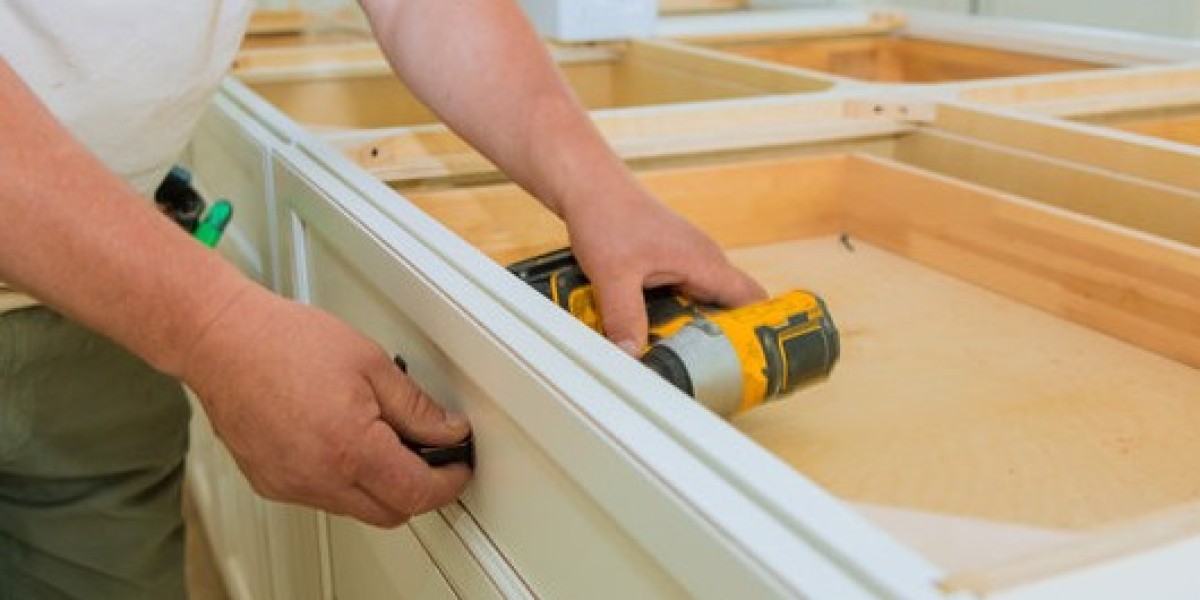

Woodwork and built-ins add warmth, beauty, and character to any home. Whether you have elegant trim, detailed paneling, or custom shelving, maintaining these features ensures they stay in top condition for years. Many homeowners also rely on Cabinetry Services to preserve the functionality and appeal of their built-ins. Knowing how to care for your woodwork is essential if you want to protect your investment, enhance your home’s interior, and maintain a timeless look.
The Importance of Woodwork Maintenance
Wood is a natural material that requires ongoing care to keep its strength and charm. Without proper maintenance, your built-ins can suffer from scratches, fading, warping, or even pest damage. Regular attention helps prevent costly repairs while extending the lifespan of your wood features. Well-maintained woodwork can also improve your home’s resale value, making it more appealing to future buyers.
Dusting and Cleaning the Right Way
One of the simplest yet most important tasks is routine dusting. Dust buildup can scratch surfaces over time if left unattended. Use a soft microfiber cloth or feather duster to gently wipe surfaces weekly. Avoid harsh chemical cleaners, as they can strip finishes and leave behind residue. Instead, opt for mild soap and water for deep cleaning, followed by drying with a soft cloth to prevent moisture damage.
What to Avoid When Cleaning
Abrasive pads or scrubbers – These can scratch the wood surface.
Strong detergents or bleach – They can strip protective finishes.
Excess water – Too much moisture can cause swelling and warping.
Protecting Against Moisture and Humidity
Wood naturally expands and contracts with changes in humidity. Too much moisture can lead to swelling, while overly dry air can cause cracks. To maintain balance, keep indoor humidity levels between 35% and 55%. A humidifier or dehumidifier can help stabilize your environment, especially in areas with extreme weather fluctuations.
For built-ins near sinks or bathrooms, make sure to wipe up spills quickly and never leave standing water on surfaces. Applying a water-resistant finish also provides an extra layer of protection.
Polishing and Conditioning Wood Surfaces
Over time, finishes can dull, leaving wood looking lifeless. Polishing or conditioning your woodwork helps restore its shine and prevents drying out. Choose a polish or conditioner designed specifically for wood, preferably one without silicone or alcohol, as those can damage finishes. Applying a protective wax once or twice a year can also safeguard surfaces while enhancing their natural glow.
Handling Scratches and Minor Damage
Even with care, scratches and dents may occur. Small surface scratches can often be minimized with wood repair markers or wax sticks that match your wood tone. For deeper scratches, sanding and refinishing may be necessary. Built-ins with heavy wear, such as bookshelves or cabinetry, may require professional attention to ensure seamless repairs.
Protecting Surfaces from Everyday Use
Preventative care goes a long way in maintaining your woodwork. Using coasters, placemats, and felt pads under decorative items can stop scratches and stains. For shelving and built-in storage, avoid overloading with heavy objects that may cause sagging. If your woodwork is near windows, consider installing curtains or UV-protective film to prevent sun fading.
Regular Inspections Are Key
Performing seasonal inspections of your woodwork can help catch issues early. Look for signs of moisture damage, cracks, loose joints, or insect activity. Termites and wood-boring beetles can cause significant structural harm if left unchecked. Addressing these issues promptly prevents more extensive and expensive repairs later.
Refinishing for Long-Term Preservation
Even with excellent care, wood finishes can wear down over time. Refinishing involves sanding the surface and applying a fresh stain or protective coat. This not only revives the look of your built-ins but also strengthens their resistance to damage. Depending on usage, refinishing may be needed every 5–10 years.
When to Call Professionals
While routine upkeep is manageable for homeowners, some situations require expert help. Warped shelves, loose joints, or large cracks often need professional repair. Cabinetry Services can provide specialized solutions such as refinishing, restoration, or even custom adjustments to ensure your built-ins remain functional and beautiful. Professionals also have access to tools, finishes, and repair techniques that guarantee longer-lasting results than DIY fixes.
Eco-Friendly Care for Your Woodwork
Many homeowners today prefer sustainable methods for maintaining woodwork. Using natural oils like linseed or tung oil, along with eco-friendly cleaning solutions, reduces exposure to harsh chemicals. Choosing non-toxic finishes not only protects your wood but also promotes a healthier home environment.
Seasonal Maintenance Tips
Spring and Summer
Check for signs of swelling from humidity.
Use shades to reduce sunlight exposure.
Dust more frequently as pollen and debris increase indoors.
Fall and Winter
Watch for drying wood due to indoor heating.
Apply conditioning oils or polishes to prevent cracks.
Use humidifiers to balance indoor air quality.
Final Thoughts
Caring for your woodwork and built-ins is a combination of routine cleaning, protection, and occasional professional help. By dusting regularly, controlling humidity, polishing, and addressing minor issues promptly, you can extend the life of your wood features. For bigger challenges, professional Cabinetry Services provide the expertise needed to keep your built-ins in excellent shape.
Maintaining woodwork doesn’t just protect your investment—it enhances the beauty and comfort of your home for years to come.