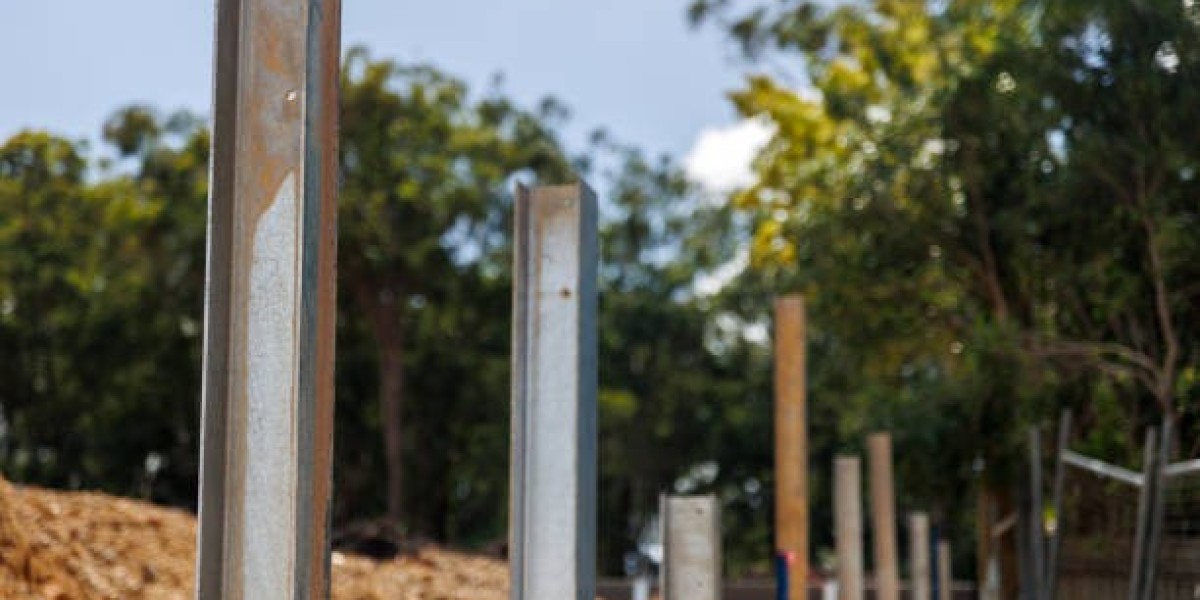

Modern construction relies heavily on foundation strength, as it determines the overall stability and safety of any structure. Among the various foundation solutions, steel piles have gained prominence for their ability to bear heavy loads and adapt to challenging ground conditions. Their use spans from high-rise buildings to bridges and industrial warehouses, making them a versatile and reliable option in civil engineering projects. Understanding how steel piles enhance load-bearing capacity highlights their importance in creating long-lasting and resilient structures.
The Role of Steel Piles in Foundation Systems
Steel piles are deep foundation elements driven into the ground to transfer structural loads to more stable soil or rock layers. Unlike shallow foundations, which depend on the upper layers of soil, piles penetrate deeper strata that offer greater stability. This ensures that the weight of the building or structure is evenly distributed, reducing the risk of settlement or uneven shifting. The design and installation of steel piles make them particularly effective in areas with soft or unstable surface soils.
Superior Strength of Steel as a Material
One of the main reasons steel piles enhance load-bearing capacity lies in the inherent properties of steel itself. Steel has a high strength-to-weight ratio, which means it can support heavy loads without requiring excessive material. Its tensile strength allows piles to withstand both vertical and lateral forces, making them suitable for structures exposed to strong winds, vibrations, or seismic activity. Additionally, steel can be fabricated into different shapes, such as H-piles or tubular piles, to match the specific requirements of different construction projects.
Load Transfer Mechanisms in Steel Piles
Steel piles support loads through two primary mechanisms: end-bearing and skin friction. End-bearing piles transfer loads directly to a solid layer of bedrock or dense soil, acting as a sturdy column that resists settlement. Skin friction piles, on the other hand, rely on the resistance generated along the pile surface as it interacts with surrounding soil. In many cases, steel piles provide a combination of both, ensuring that structures can withstand vertical pressures as well as lateral movements. This adaptability is one of the reasons engineers prefer steel piling solutions in demanding projects.
Versatility Across Different Soil Conditions
Another advantage of steel piles is their ability to perform well in varied soil conditions. Whether the site consists of loose sand, soft clay, or waterlogged ground, steel piles can be driven deep enough to reach stable layers. Their resistance to buckling under pressure and their capacity to penetrate dense or compacted soils makes them highly effective in environments where other foundation methods may fail. This versatility ensures that structures remain stable even when built on complex or unpredictable ground profiles.
Resistance to Settlement and Structural Shifts
Settlement is a common problem in construction, especially in projects built on soft or compressible soils. Steel piles help prevent this by transferring the weight of the structure to more reliable strata below. By minimizing differential settlement, they maintain the levelness of floors and prevent cracks in walls or other structural elements. This feature is particularly valuable in high-rise developments, bridges, and heavy industrial facilities where even slight shifts in the foundation can have significant consequences.
Durability and Longevity of Steel Piles
Steel piles are engineered for long-term durability, provided that appropriate corrosion protection measures are in place. Protective coatings, galvanization, or encasement in concrete are commonly used to shield them from environmental factors. When maintained properly, steel piles can last for decades without losing their structural capacity. Their durability not only ensures safety but also reduces maintenance and replacement costs over the lifespan of the project.
Engineering Innovations in Steel Pile Design
Over the years, advances in engineering have further improved the performance of steel piles. High-strength alloys and modern fabrication techniques allow for piles that are lighter, stronger, and more resistant to environmental challenges. Installation methods such as vibratory hammers and hydraulic presses make the driving process more precise, minimizing ground disturbance while achieving greater depth. These innovations demonstrate how steel piling continues to evolve, enhancing both load-bearing capacity and sustainability in construction.
Economic Benefits of Steel Piling Solutions
Although steel piles may require a higher initial investment compared to some alternatives, they often prove more cost-effective in the long run. Their high load-bearing capacity reduces the number of piles needed, which can lower installation costs. Additionally, their longevity and reduced maintenance requirements contribute to overall project savings. For developers, contractors, and property owners, steel piles offer a balance between strength, reliability, and financial efficiency that few other foundation options can match.
Practical Insights for Project Success
The successful performance of steel pile foundations does not depend only on the material but also on the expertise of those managing the project. Choosing the right team can determine whether the piles are designed, installed, and protected correctly. Following expert recommendations such as recognizing signs of a trustworthy piling contractor can make a major difference in ensuring that the foundation achieves its intended load-bearing capacity. A reliable contractor will conduct thorough soil investigations, apply quality control measures, and implement protective strategies that maximize the durability of the piles.
Conclusion
Steel piles play a crucial role in modern construction by providing enhanced load-bearing capacity, versatility across soil types, and long-term structural reliability. Their strength, durability, and adaptability make them the foundation solution of choice for projects ranging from skyscrapers to industrial plants and infrastructure. With proper design, material selection, and contractor expertise, steel piles can ensure that buildings and structures remain stable and secure for decades. By embracing steel piling, engineers and builders can achieve both structural excellence and long-term value in their projects.


