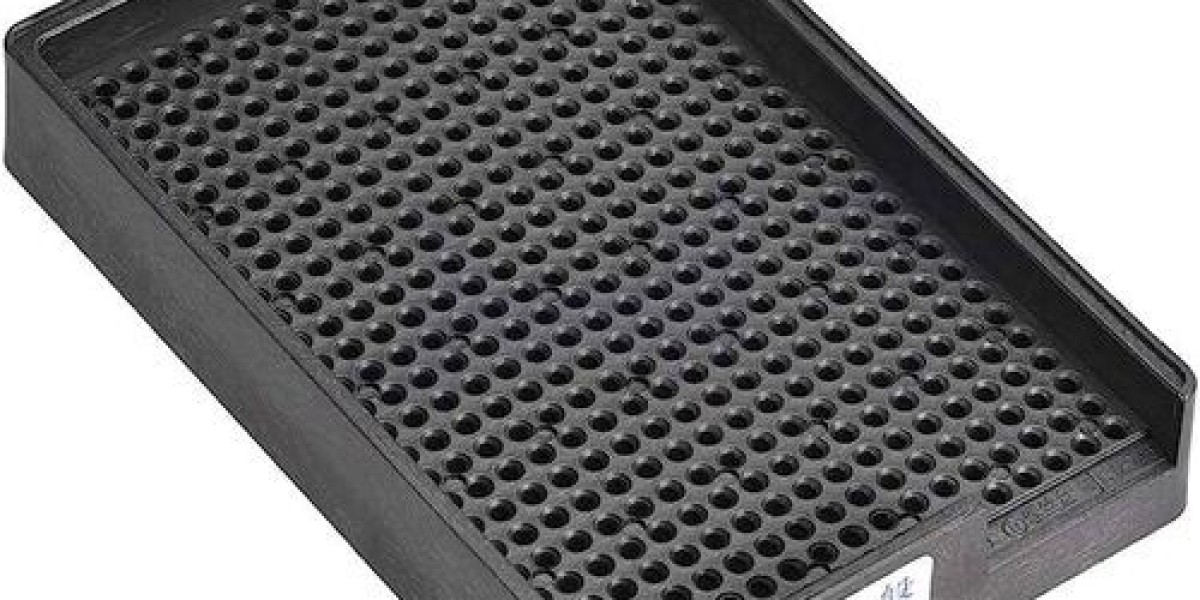

The primary sources of Assembly Tray revenue are generated almost exclusively through business-to-business (B2B) sales directly to companies in the manufacturing sector. The financial model of this market is predominantly project-based, with the demand for new trays being tightly linked to a client's product lifecycle. A new car model, a next-generation smartphone, or a new medical device will almost always require the design and production of a brand-new set of custom assembly trays. This creates a revenue cycle that is closely aligned with the pace of innovation and product development in key industries like automotive, electronics, and healthcare, making it a highly specialized and client-focused business environment.
The revenue streams within a typical project can be broken down into two main components. The first is the significant, one-time revenue generated from the non-recurring engineering and tooling costs. This includes the fees for the initial design consultation, the creation of 3D models and prototypes, and, most substantially, the manufacturing of the custom mold that will be used to produce the trays. This tooling cost can be considerable, but it is a necessary upfront investment for any high-volume production run. The second, and ongoing, revenue stream comes from the sale of the finished trays themselves, which are typically sold on a per-unit basis in large order quantities that can range from thousands to millions of units over the lifetime of a product.
While the majority of revenue comes from these custom, project-based contracts, some manufacturers also generate income through the sale of standardized, off-the-shelf trays. These are generic trays with simple grid patterns or other non-specific designs that can be used for a variety of general-purpose material handling applications. While the margins on these products are typically lower than on custom jobs, they provide a more stable, less cyclical source of revenue. The most successful suppliers are those who build long-term, strategic relationships with their clients, becoming the trusted, preferred vendor for all their component handling needs, which can transform a series of one-off projects into a more predictable, long-term revenue partnership.


