
Introduction
Athletes are no strangers to injuries. While sprains, fractures, and collisions are widely recognized, non-contact injuries — like those resulting from overtraining, chronic sleep problems, or hormone imbalances — can be just as detrimental to peak performance. These invisible challenges can hinder recovery, lower energy levels, and increase the risk of burnout.
One complementary therapy gaining recognition in sports medicine is acupuncture for athletes, known for promoting physical recovery and restoring internal balance. This article explores how acupuncture addresses non-contact injuries, the science behind its effects, and practical guidance for athletes considering this integrative therapy.
What Are Non-Contact Injuries?
Non-contact injuries in athletes stem from internal imbalances or overuse rather than direct impact. Common examples include:
Overtraining syndrome (OTS): A state of chronic fatigue, decreased performance, and heightened injury risk caused by inadequate recovery.
Sleep disorders: Insomnia, irregular sleep cycles, or poor-quality sleep that undermine muscle repair and cognitive function.
Hormone imbalances: Disturbances in cortisol, testosterone, or estrogen levels that affect strength, recovery, and even mental resilience.
Left unmanaged, these issues can accumulate into long-term setbacks. Integrating holistic approaches such as acupuncture for athletes provides an avenue to not only treat symptoms but also address root causes.
The Science Behind Acupuncture for Athletes
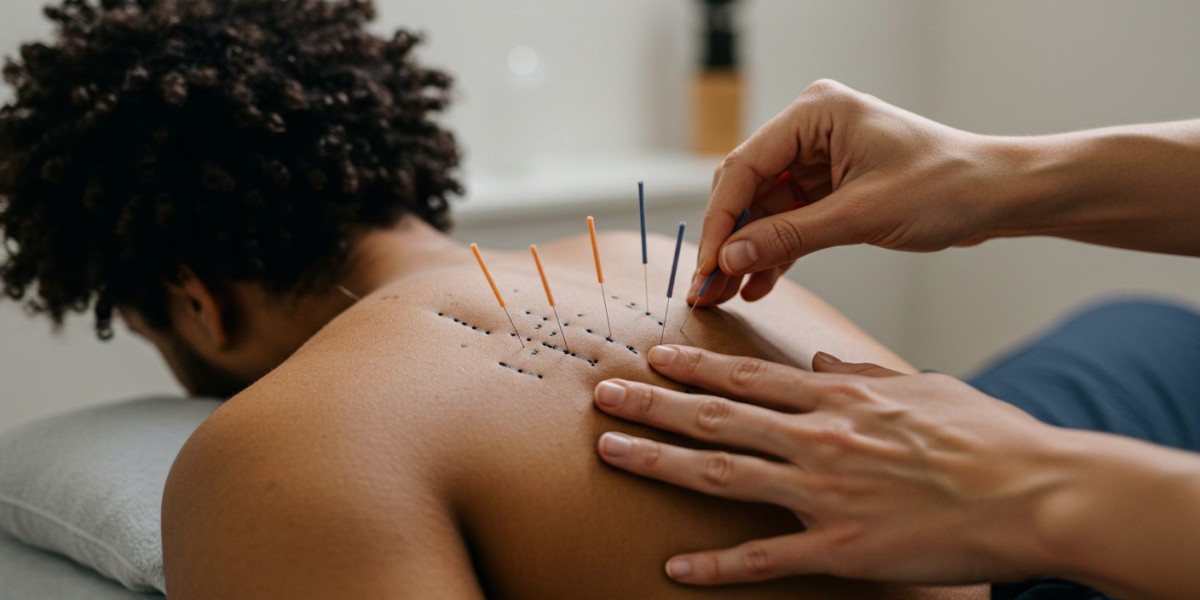
Acupuncture involves the insertion of fine needles at specific points to regulate energy flow and stimulate the nervous system. In modern biomedical terms, acupuncture:
Modulates the nervous system: Calming the sympathetic “fight-or-flight” response and enhancing parasympathetic recovery functions.
Improves circulation: Promoting oxygen and nutrient delivery to tissues, accelerating healing.
Influences hormone secretion: Regulating cortisol, melatonin, and endorphins to restore balance.
Reduces inflammation: By down-regulating pro-inflammatory cytokines, aiding muscle and tendon recovery.
For non-contact injuries, these effects directly address the physiological stressors linked to overtraining, poor sleep, and hormone dysregulation.
Tackling Overtraining with Acupuncture
The Challenge of Overtraining
Overtraining occurs when an athlete’s workload exceeds their capacity to recover. Symptoms include persistent fatigue, irritability, frequent illness, and plateaued or declining performance. Traditional management focuses on rest, nutrition, and load adjustments — but recovery can take weeks or months.
Acupuncture’s Role
Research indicates that acupuncture can reduce markers of oxidative stress and muscle fatigue. For example, studies show that athletes treated with acupuncture demonstrate lower blood lactate levels post-exercise and report reduced delayed-onset muscle soreness (DOMS). By improving circulation and calming the nervous system, acupuncture accelerates the recovery window.
Integrating acupuncture for athletes in recovery cycles may allow them to resume training sooner without pushing into dangerous overtraining territory.
Improving Sleep Disorders with Acupuncture
Sleep and Athletic Performance
Sleep is the cornerstone of recovery — governing muscle repair, memory consolidation, and hormone production. Sleep disorders are common in athletes, especially during periods of high stress or competition. Poor sleep increases the risk of injury, impairs focus, and slows recovery.
Acupuncture’s Role
Acupuncture has been shown to enhance sleep quality by:
Increasing melatonin production, improving circadian rhythm regulation.
Reducing cortisol levels, lowering stress-related insomnia.
Promoting parasympathetic dominance, which facilitates restorative deep sleep.
A meta-analysis published in the Journal of Alternative and Complementary Medicine found acupuncture to significantly improve both sleep quality and duration in patients with chronic insomnia. For athletes, these benefits translate into improved recovery and consistent performance.
Adding acupuncture for athletes with sleep challenges can help restore natural rhythms without reliance on sleep medications, which may cause side effects or dependency.
Balancing Hormones Naturally with Acupuncture
Hormone Imbalances in Athletes
High training loads and stress can disrupt endocrine function, leading to:
Elevated cortisol (stress hormone), increasing fatigue and reducing muscle repair.
Reduced testosterone in men, impairing strength and recovery.
Menstrual irregularities in women due to low estrogen or progesterone, impacting performance and bone health.
Acupuncture’s Role
Clinical evidence suggests acupuncture influences the hypothalamic-pituitary-adrenal (HPA) axis, helping restore hormonal equilibrium. Specific studies show acupuncture can:
Lower elevated cortisol levels in stressed individuals.
Support menstrual regularity in female athletes by balancing estrogen and progesterone.
Increase endorphin and serotonin release, positively affecting mood and motivation.
When integrated into training regimens, acupuncture for athletes offers a non-pharmacological way to maintain hormonal balance, crucial for both performance and long-term health.
Real-World Applications: Sports Teams and Elite Athletes
Elite sports programs increasingly integrate acupuncture into recovery protocols. For example:
Olympic athletes have used acupuncture alongside physiotherapy to accelerate recovery from heavy training blocks.
Professional football teams employ acupuncture for muscle fatigue, stress management, and sleep improvement.
Collegiate programs include acupuncture in athlete wellness centers, addressing both physical and psychological performance demands.
These real-world applications highlight how acupuncture for athletes is shifting from “alternative” to mainstream recovery support.
Safety and Practical Considerations
Acupuncture is safe when performed by licensed practitioners, but athletes should consider:
Frequency: 1–2 sessions weekly during high training loads, tapering during rest periods.
Integration: Combine with physiotherapy, nutrition, and strength training for comprehensive recovery.
Monitoring: Track sleep, energy, and hormone markers to measure progress.
Minor side effects may include slight bruising or fatigue, but serious risks are rare under proper care.
Complementary Lifestyle Strategies
To maximize results, athletes should pair acupuncture with:
Balanced nutrition: Adequate protein, omega-3 fatty acids, and micronutrients.
Periodized training: Structured rest days and deloading weeks.
Mind-body practices: Yoga, meditation, or breathwork to further reduce stress.
Together with acupuncture for athletes, these strategies form a holistic system for peak performance and long-term resilience.
Conclusion
Non-contact injuries such as overtraining, sleep disorders, and hormone imbalances can quietly undermine athletic potential. While conventional strategies remain essential, acupuncture for athletes provides a natural, evidence-based approach to restore balance, reduce stress, and enhance recovery. By integrating acupuncture into their wellness routines, athletes can address hidden vulnerabilities, improve resilience, and sustain peak performance throughout their careers.
For those looking beyond quick fixes, acupuncture offers a path to sustainable athletic health — addressing not just symptoms but the underlying systems that keep the body and mind in harmony.