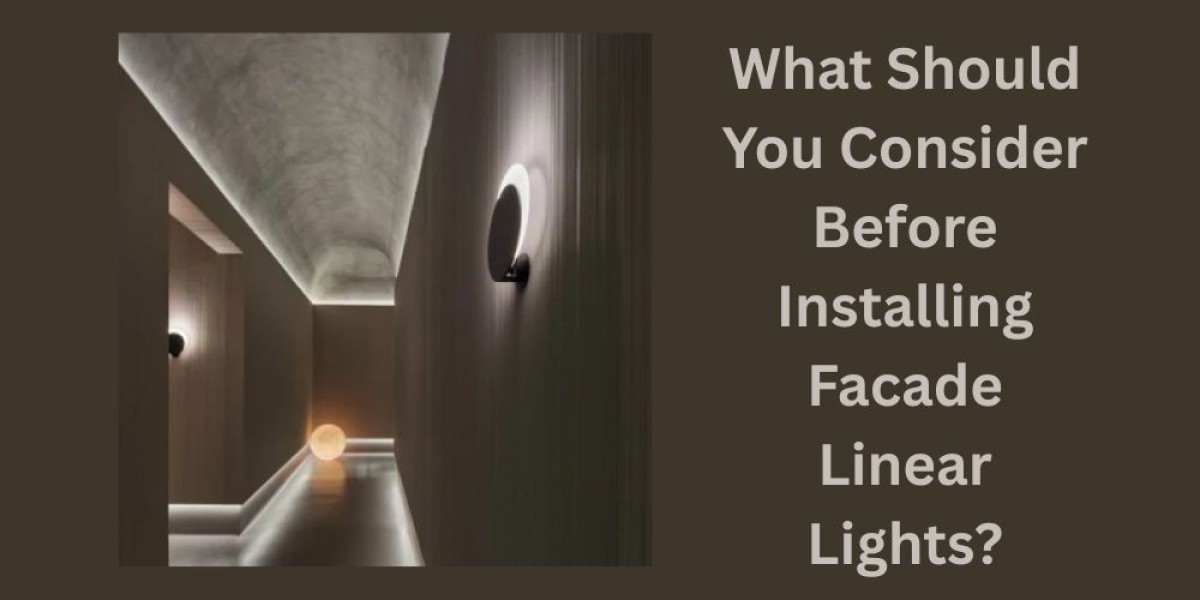

The lighting is crucial to the appearance of a building, especially at night. Currently, facade linear lights are one of the best-selling products for illuminating building exteriors and providing a sleek modern look. But, before getting these lights installed few things have to be taken into consideration. Good planning makes for lighting that does not only look great, it works for years.
Get to know what you should bear in mind before you decide to fit facade linear lights.
Understanding What Facade Linear Lights Are
Before making any decision, it’s important to understand what facade linear lights actually are.
What Are Facade Linear Lights?
Facade linear lights are long, narrow lighting fixtures that are installed along the surfaces of a building’s exterior. They are designed to spread light evenly and highlight architectural lines, shapes, and textures.
Why Are They Used?
These lights are commonly used to create a stylish and elegant look for modern buildings, hotels, malls, and offices. They can highlight windows, corners, columns, or the entire outline of a structure. When used correctly, they make a building stand out beautifully at night.
Determining the Purpose of Lighting

Before installing facade linear lights, you should be clear about why you want them.
Decorative or Functional Purpose?
Some people install these lights purely for decoration—to make the building look attractive. Others use them for practical purposes, such as improving visibility or enhancing safety around the premises.
Setting the Mood and Tone
The type of lighting you choose depends on the atmosphere you want to create. Warm tones create a soft, welcoming mood, while cool white lights provide a more energetic, professional appearance. Knowing your goal helps select the right light type and brightness.
Studying the Building Design and Structure
Lighting is not just about brightness—it’s about working with the building’s design.
Matching the Architecture
Every building has its own style—modern, traditional, or industrial. Facade linear lights should match and highlight that design, not overpower it. For example, smooth linear lights look great on glass buildings, while softer lights may fit historical or stone structures.
Understanding the Surface Material
The surface where the lights will be installed matters a lot. Glass, metal, or concrete reflect light differently. Architects and lighting experts usually test the reflection to ensure the light spreads evenly without glare.
Choosing the Right Lighting Fixture
Weather and Durability
Since facade lights are installed outside, they must withstand harsh weather—heat, rain, dust, and humidity. Always choose fixtures that are waterproof and corrosion-resistant. Look for products with an IP65 rating or higher for outdoor use.
Energy Efficiency
Modern buildings prefer LED facade linear lights because they use less electricity and last longer than traditional lights. They are also eco-friendly and reduce long-term maintenance costs.
Easy Maintenance and Replacement
Choose fixtures that are easy to clean, replace, or adjust. Buildings with difficult access points may need specialized fittings that allow safe maintenance without disturbing the design.
Planning the Light Placement and Direction
Highlighting Key Features
Think about which parts of the building you want to highlight. Facade linear lights work best when they focus on architectural lines—edges, corners, pillars, or signage.
Avoiding Glare and Shadows
Incorrect placement can cause glare or unwanted shadows. Professionals often use simulation software or light mock-ups to test the effect before final installation. The goal is to achieve balanced, even lighting across the entire structure.
Selecting the Right Color and Brightness
Understanding Color Temperature
Color temperature determines how warm or cool the light appears.
- Warm white (2700K–3000K) gives a cozy, inviting glow.
- Neutral white (3500K–4100K) offers a balanced look for offices and public buildings.
- Cool white (5000K–6500K) provides a bright, modern appearance perfect for commercial areas.
Brightness and Beam Angle
Each area of the facade may need different brightness levels. Narrow beams highlight small details, while wide beams cover large surfaces. Adjusting both ensures the light complements the design instead of overpowering it.
Considering Smart Controls and Automation
Adding Modern Lighting Controls
Smart lighting systems allow you to control the lights remotely or automatically. You can set timers, dim levels, and even color changes based on the time of day or events.
Benefits of Smart Lighting
- Saves energy by turning off lights when not needed.
- Offers flexibility to change lighting themes.
- Provides convenience for building owners or facility managers.
Safety and Compliance
Lighting installation must also follow local safety codes and building regulations. Improper wiring or fixture placement can lead to electrical hazards. Always work with certified electricians or lighting professionals to ensure everything meets safety standards.
Budget and Long-Term Maintenance
Setting a Realistic Budget
Facade lighting is an investment that affects both the building’s beauty and value. A good budget should include:
- Cost of fixtures and installation
- Wiring and control systems
- Maintenance and energy costs
Thinking Long-Term
Cheap lights may save money now but can fail quickly or look uneven over time. Investing in high-quality LED facade linear lights ensures better performance and lower maintenance in the long run.
Conclusion
When it comes to installing facade linear lights, it’s not only adding some brightness — building personality that matters. Appropriate lighting can make a basic three squaresat costly master piece.
Before installing any of our products, spend time getting to know your building’s design, the goals and expectations for lighting, and environmental considerations. Select Efficient, Long-Lasting Light Sources Aim for fixtures that use minimal energy and are placed to best effect.


