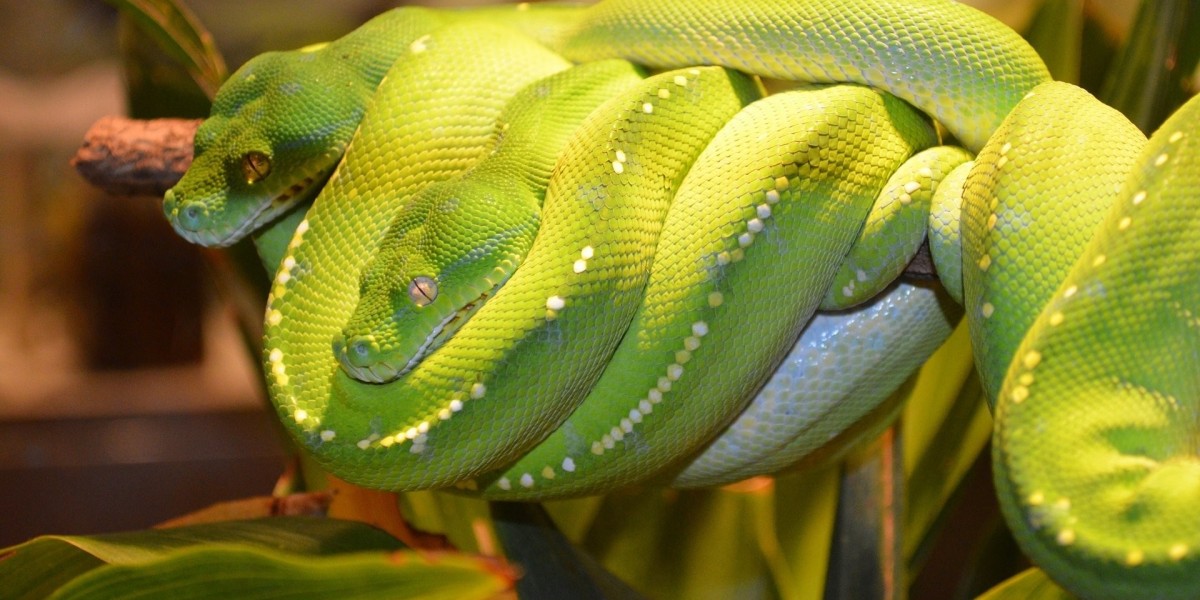

When it comes to exotic reptiles, few creatures capture attention quite like the vibrant Green Tree Python. Known for their dazzling colors and graceful movements, these snakes are a favorite among reptile enthusiasts. But before bringing one home, it’s important to understand what makes them special and what it takes to care for them properly. Choosing the right morph isn’t just about appearance; it’s also about understanding their behavior, environment, and long-term needs.
Understanding the Nature of Green Tree Pythons
Green Tree Pythons, native to New Guinea and parts of Indonesia, are arboreal snakes that spend most of their lives in trees. Their vivid coloration, ranging from bright green to shades of yellow, blue, and even white, is one of their most striking features.
However, beauty comes with responsibility. These snakes thrive in specific temperature and humidity conditions, and they need well-structured enclosures that mimic their natural habitat. Before selecting a morph, it’s crucial to be familiar with their care requirements.
Factors to Consider Before Buying One
A Green Tree Python isn’t a beginner’s pet. They’re best suited for reptile keepers with some experience in handling snakes. Before committing, consider the following:
Temperament: While not aggressive by nature, these snakes can be defensive, especially if handled improperly.
Space and Setup: Vertical enclosures with branches and perches are essential.
Diet: They primarily eat small rodents.
Lighting and Heat: Proper lighting and heating ensure a healthy metabolism.
Many enthusiasts look for a Green Tree Python for sale online, but it’s important to do research before making a purchase. Always verify that the breeder is reputable and that the snake is captive-bred, not wild-caught. Captive-bred pythons tend to be healthier and easier to handle.
Choosing the Right Environment
Creating a suitable environment is the foundation of keeping a Green Tree Python happy. These snakes rely on consistent warmth and humidity to regulate their body temperature and stay healthy. To achieve this, maintain a basking temperature between 88–92°F with a cooler area around 76–80°F. Humidity should stay within 50% to 70% to prevent dehydration and shedding problems. The enclosure should include sturdy branches and perches at various heights, along with hiding spots to make the snake feel secure and proper ventilation to ensure fresh airflow. If you come across another Green Tree Python for sale, make sure to ask the breeder about the snake’s enclosure history. Snakes raised in stable, well-controlled environments often adapt more easily to new homes.
Why Morphs Matter
Morphs are genetic variations that influence a snake’s color and pattern. In Green Tree Pythons, morphs can range from neon yellows and deep blues to intricate white and green blends. Each morph offers a different look and sometimes, slightly different care needs.
Understanding these differences helps you choose one that suits your experience level and aesthetic preferences.
Here are a few popular green tree morphs collectors often admire:
Biak Morph: Known for its bright green and yellow tones with high contrast.
Aru Morph: Features softer greens and blues, often with a calm temperament.
Sorong Morph: Distinct blue highlights along the spine.
Jayapura Morph: Famous for its vibrant green body with blue accents.
Each morph’s beauty is undeniable, but it’s vital to remember that health and temperament matter just as much as appearance.
The Role of Genetics in Morph Selection
Selecting from various Green Tree Python morphs isn’t only about color preference; it’s also about understanding genetics. Breeders often combine certain lineages to achieve desired patterns or hues. However, this process should be ethical and focused on maintaining the species’ health.
Before purchasing, ask the breeder about the snake’s lineage and genetic background. Responsible breeding ensures strong immune systems, stable temperaments, and vibrant coloration that lasts into adulthood.
Caring for Your New Python
Once you’ve chosen your morph, it’s time to focus on care and maintenance. Here are key points every owner should remember:
Feeding Schedule: Juveniles typically eat once a week, while adults may eat every 10–14 days.
Handling: Minimize handling, especially right after feeding. These snakes prefer observation over interaction.
Cleanliness: Maintain enclosure hygiene to prevent bacterial infections.
Health Monitoring: Keep an eye out for respiratory issues or loss of appetite.
Buying a snake is just the first step. Caring for it properly is what ensures it thrives.
How to Find Reputable Breeders
The reptile community is full of passionate breeders, but not all maintain the same level of quality or ethics. When searching for a Green Tree Python for sale, it’s important to prioritize breeders who provide health guarantees, offer transparent lineage and documentation, and keep their snakes in clean, well-regulated environments. Responsible breeders also share detailed feeding and care records, helping new owners understand the snake’s routine and preferences. Reputable sellers are genuinely invested in both the animal’s welfare and the buyer’s success. It’s best not to rush the process; take your time to find a trustworthy source that focuses on breeding healthy, captive-bred pythons.
Building a Long-Term Relationship with Your Pet
Owning a Green Tree Python is a long-term commitment. These snakes can live up to 20 years with proper care. Their stunning appearance and calm presence make them fascinating display pets rather than hands-on companions.
If you’re drawn to the incredible diversity among Green Tree Python morphs, remember that patience and knowledge are key. Investing time in learning about their needs will reward you with a thriving, beautiful reptile that becomes a highlight of your collection.
Bringing It All Together
Bringing home a Green Tree Python can be an exciting and rewarding experience, especially when you understand their needs and choose responsibly. From selecting the right morph to providing proper care, every step plays a role in the snake’s long-term health and beauty. Taking the time to research, prepare, and buy from a trusted breeder makes all the difference. For those looking to start their journey with confidence, reputable names like Wilbanks Captive Bred Reptiles are known for their commitment to quality and ethical breeding, helping enthusiasts find the perfect python to suit their experience and passion.