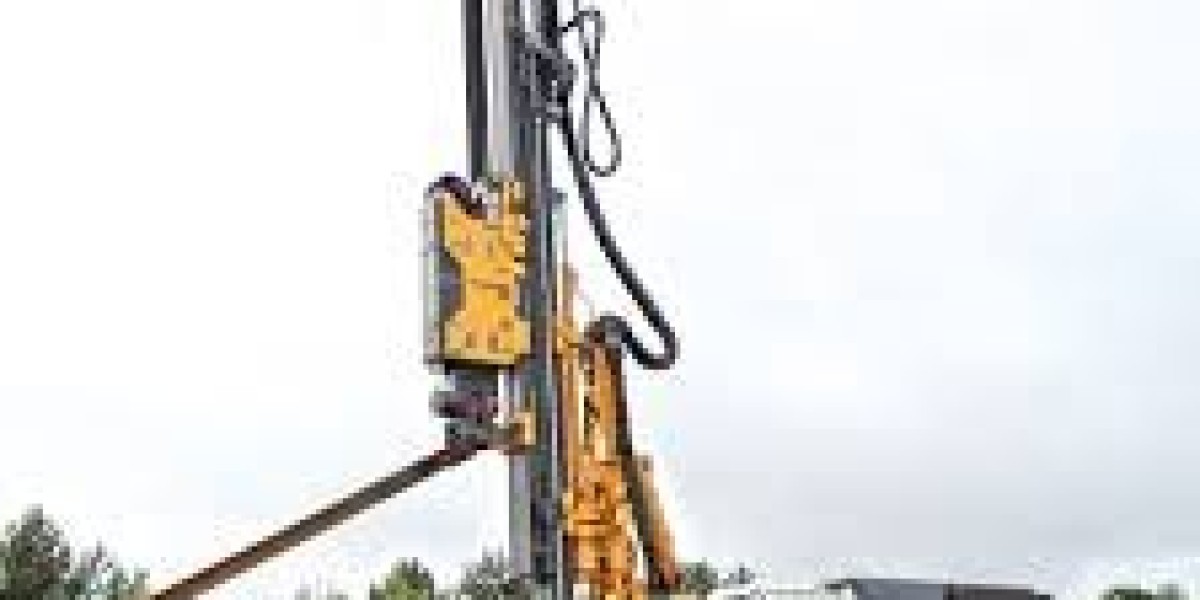

A piledriver machine is one of the most important pieces of equipment in any construction project that involves deep foundations. It drives piles into the ground to create strong and stable bases for structures such as bridges, buildings, and docks. However, even though the piledriver machine is designed for strength and precision, it must be handled correctly. One small mistake during operation can lead to serious equipment damage, project delays, or even safety hazards.
At Pile Driving USA, we have seen how small operational errors can turn into big problems. That is why understanding the common mistakes people make when using a piledriver machine is critical. This article explains these mistakes in simple language and helps you learn how to avoid them, ensuring your construction project runs smoothly, safely, and efficiently.
1. Ignoring Proper Site Inspection
Before using a piledriver machine, many operators skip or rush through the site inspection. This is one of the biggest mistakes. Every site has different soil conditions, underground materials, and water levels. If the soil is too loose, too soft, or has hidden obstructions like rocks, the machine can become unstable, or piles may not drive properly.
How to avoid it:
Always perform a full site inspection before operating the piledriver machine. Check for underground utilities, measure soil strength, and plan the pile layout correctly. Knowing the site conditions helps you choose the right machine and pile type for the job.
2. Choosing the Wrong Type of Piledriver Machine
Not all piledriver machines are built for the same kind of work. Some are designed for heavy-duty projects like bridges and ports, while others are made for smaller construction sites. Using the wrong type of machine can reduce driving efficiency and increase equipment wear and tear.
How to avoid it:
Before starting any project, match the machine type with your pile type, soil condition, and project scale. If you are not sure, contact the experts at Pile Driving USA for guidance on selecting the correct piledriver machine for your needs.
3. Skipping Equipment Inspection Before Operation
A piledriver machine faces a lot of stress during operation. Loose bolts, worn hydraulic hoses, or damaged parts can cause accidents or reduce performance. Unfortunately, some operators skip pre-operation checks because they think the machine was fine last time.
How to avoid it:
Always inspect your piledriver machine before each use. Look for hydraulic leaks, check all connections, and make sure all safety components are in place. Regular inspection prevents breakdowns and keeps both the machine and operators safe.
4. Incorrect Pile Alignment
When the pile is not positioned correctly before driving, it can tilt or bend during operation. This mistake is common, especially when operators are in a hurry. Misaligned piles not only weaken the foundation but can also damage the hammer or clamp of the piledriver machine.
How to avoid it:
Take time to align every pile vertically before driving. Use a spirit level or a laser guide to make sure the pile is straight. Even small misalignments can lead to big structural problems later.
5. Overdriving or Underdriving Piles
Both overdriving and underdriving piles are serious mistakes. Overdriving means forcing the pile too deep, which can break it or damage the soil around it. Underdriving means stopping too early, which can weaken the foundation and reduce load-bearing capacity.
How to avoid it:
Follow engineering specifications carefully. Use depth markers or monitoring systems to check penetration levels. Always rely on proper measurements rather than guessing when to stop.
6. Improper Maintenance Practices
Some contractors neglect routine maintenance because they want to save time or reduce costs. However, poor maintenance shortens the lifespan of the piledriver machine and increases the risk of breakdowns.
How to avoid it:
Create a regular maintenance schedule and stick to it. Clean the machine after each project, change oil and filters as recommended, and replace worn parts promptly. Preventive care keeps the piledriver machine running efficiently and safely for years.
7. Ignoring Safety Procedures
One of the most dangerous mistakes is neglecting safety protocols. Failing to wear protective gear, skipping machine lockout procedures, or standing too close to operating equipment can cause serious injuries.
How to avoid it:
Always follow safety rules on-site. Operators should wear helmets, gloves, safety boots, and ear protection. Make sure all workers are trained in piledriver machine safety and understand emergency procedures. Safety should always come before speed or convenience.
8. Untrained or Inexperienced Operators
A piledriver machine is not like a regular excavator or loader. It requires specific knowledge and skill to handle the vibrations, hydraulic systems, and alignment processes correctly. Letting an untrained operator use the machine is risky for both people and equipment.
How to avoid it:
Ensure only trained and certified operators handle the piledriver machine. Training programs offered by professionals like Pile Driving USA teach proper techniques, safety protocols, and troubleshooting skills that prevent costly mistakes.
9. Operating in Unstable Weather Conditions
Another common mistake is running the piledriver machine during heavy rain, strong winds, or freezing conditions. These weather factors affect machine performance and can make the ground slippery or unstable, increasing the risk of accidents.
How to avoid it:
Check weather forecasts before scheduling pile driving work. If conditions are unsafe, delay operations until stability returns. Working in good weather not only protects the machine but also ensures higher-quality pile installation.
10. Ignoring Manufacturer’s Guidelines
Every piledriver machine comes with a detailed manual that includes operation limits, maintenance schedules, and safety warnings. Some operators ignore these instructions, thinking they already know enough. This can result in incorrect operation, equipment failure, or warranty loss.
How to avoid it:
Always follow the manufacturer’s recommendations. Use only approved parts and fluids, and never exceed the machine’s load or pressure limits. At Pile Driving USA, we always advise clients to read and apply every guideline to protect both their investment and safety.
11. Poor Communication on Site
Pile driving often involves multiple workers coordinating machine operation, pile placement, and site safety. When communication is weak, mistakes like misalignment or timing errors can occur, slowing down the project or damaging materials.
How to avoid it:
Maintain clear communication among all team members. Use signals or radios if noise levels are high. Everyone on the team should know their role and stay alert during operation.
12. Failure to Secure the Machine Properly
A piledriver machine must be placed on stable ground before use. If it is positioned on uneven or soft soil without proper stabilization, the machine may tilt, which can cause dangerous vibrations or structural failure.
How to avoid it:
Before starting, ensure the base area is level and compacted. Use pads or mats if necessary to keep the machine balanced. Stability is key to accurate and safe pile driving.
Conclusion
Using a piledriver machine effectively requires more than just strength and power. It takes precision, care, and proper planning. The most common mistakes from poor alignment and lack of maintenance to ignoring safety procedures can cause delays, damage equipment, or even lead to accidents. By understanding and avoiding these errors, operators can ensure smoother, faster, and safer construction work.