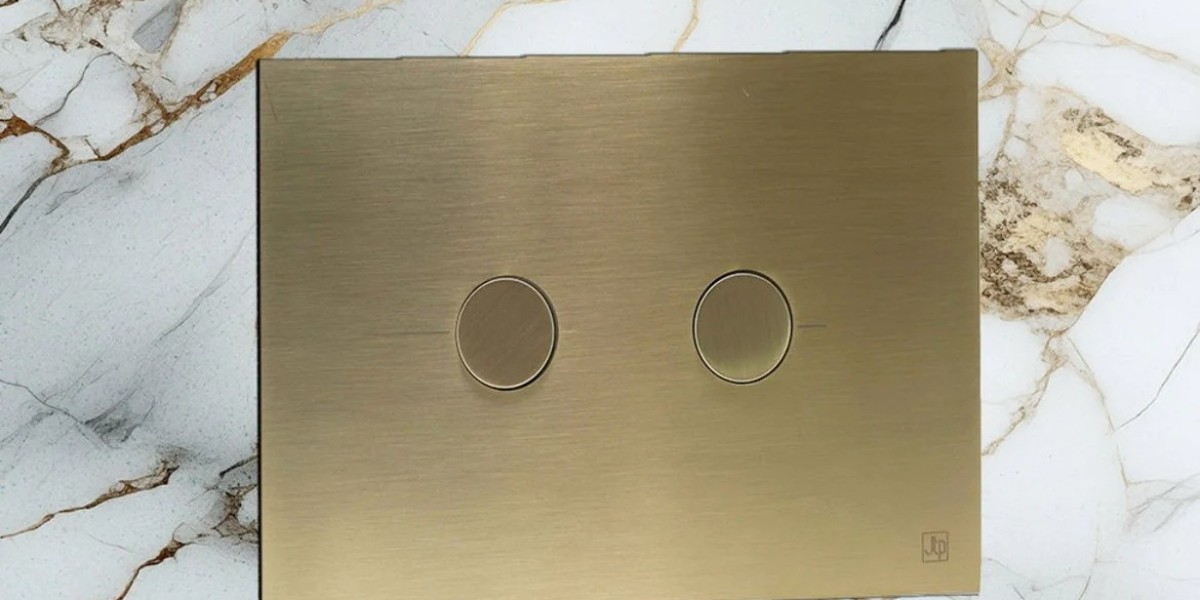

Flush plates are a modern and sleek addition to any bathroom, offering easy-to-use controls for your toilet. However, like all bathroom fixtures, they can experience issues over time. One of the most common problems is a blocked flush plate, which can cause your toilet to function improperly or fail to flush altogether.
In this guide, we’ll walk you through how to unblock flush plates step by step. Whether you’re dealing with a slow flush or a completely blocked system, you’ll be able to troubleshoot and fix the problem yourself without the need for a plumber.
What Causes Blocked Flush Plates?
A blocked flush plate usually happens when the internal parts of the flushing mechanism become clogged or obstructed by debris, minerals, or even toilet paper. The flush plate controls the release of water to the toilet cistern, and if this system is blocked, it can stop the flush from working properly.
Step 1: Turn Off the Water Supply
Before diving into the process of unblocking your flush plate, it’s important to turn off the water supply to avoid any accidental leaks or water wastage during the repair process.
Locate the water shutoff valve, usually located behind or beneath the toilet.
Turn it clockwise to shut off the water flow to the cistern.
Once the water supply is off, flush the toilet to empty the cistern. This reduces the risk of water spilling out when you start working.
Step 2: Remove the Flush Plate
The next step is to remove the flush plate. Most modern flush plates are designed for easy removal without the need for tools. However, if yours is a more traditional model, you may need to use a screwdriver.
For tool-free models: Simply press or slide the flush plate to unlock it from the mounting bracket. Some flush plates have a simple snap mechanism or a locking system that holds them in place.
For screw-fixed models: Use a flathead screwdriver or a drill to remove the screws holding the plate in place. Once the screws are removed, gently pull the flush plate off.
Be careful not to damage the plate or surrounding wall during removal. Place the flush plate somewhere safe where it won’t be scratched or damaged.
Step 3: Inspect the Mechanism for Blockages
Once you’ve removed the flush plate, you’ll have access to the inner mechanisms. Look closely at the flush button or lever and the internal workings of the toilet cistern.
Check for visible debris: Look for any visible blockages such as toilet paper, dust, or mineral deposits.
Examine the flush valve: The flush valve controls the water flow into the toilet bowl, and it may be blocked or obstructed. If it looks dirty, it may need cleaning or replacement.
Look at the seals: Sometimes, a blocked flush plate is caused by misaligned or broken seals. Check if the seals are intact and properly positioned.
If you spot any debris or buildup, use a soft cloth or brush to clean the area gently. Avoid using harsh chemicals, as these can damage the internal components.
Step 4: Clean the Flush Plate Components
If the flush plate mechanism is dirty, it’s important to clean it thoroughly before reassembling. Over time, mineral deposits, grime, and even dust can build up, causing the plate to malfunction.
Here’s how to clean the components:
Soak the flush components: Soak any removable parts (like the push button or levers) in warm, soapy water for a few minutes to dissolve grime and mineral deposits.
Clean the flush valve: Use a soft brush (an old toothbrush works well) to scrub the flush valve, especially around the rim where deposits tend to accumulate.
Dry everything: After cleaning, dry all parts thoroughly before reassembling to prevent water spots or further buildup.
Step 5: Reassemble the Flush Plate
Once everything is clean and clear of blockages, it’s time to put the flush plate back together:
Align the flush plate: Line up the flush plate with the mechanism inside the cistern. Ensure it’s properly seated and aligned with the mounting brackets or screws.
Secure the flush plate: If your model uses screws, tighten them gently using a screwdriver. If it’s a tool-free model, snap the flush plate back into place, making sure it’s securely fixed.
Take care not to overtighten the screws, as this can cause damage to the flush plate or the cistern.
Step 6: Turn the Water Supply Back On
Now that the flush plate is back in place and the system is reassembled, it’s time to restore the water supply:
Turn the water supply valve back on by rotating it counterclockwise.
Allow the cistern to fill with water. Once it’s full, test the flush to make sure everything is working correctly.
If the water flushes properly, congratulations — your flush plate is no longer blocked! If you still notice issues, you may need to inspect the internal parts further or consider replacing worn-out components.
Step 7: Additional Troubleshooting Tips
If the flush plate is still malfunctioning after cleaning and reassembly, consider these additional troubleshooting steps:
Check for hidden blockages: Sometimes debris can get stuck in hard-to-reach areas. Try using a small mirror or flashlight to inspect areas you may have missed.
Replace old seals: Worn-out seals can cause leaks or difficulty in flushing. Replacing these components can often solve the issue.
Test the push button or lever: Ensure that the push button or lever is not sticking or obstructed by debris.
If these steps don’t resolve the problem, it may be time to contact a professional plumber for a more thorough inspection.
Final Thoughts
A blocked flush plate is a common issue that’s often easily resolved with a little DIY effort. By following this step-by-step guide, you can restore your toilet’s function without the need for costly professional repairs. Keeping your flush plate clean and properly maintained will ensure your toilet continues to work efficiently, providing reliable performance for years to come.
If you encounter more complex issues or if the flush plate continues to block, it’s always worth seeking professional advice to ensure your bathroom stays in top condition.


