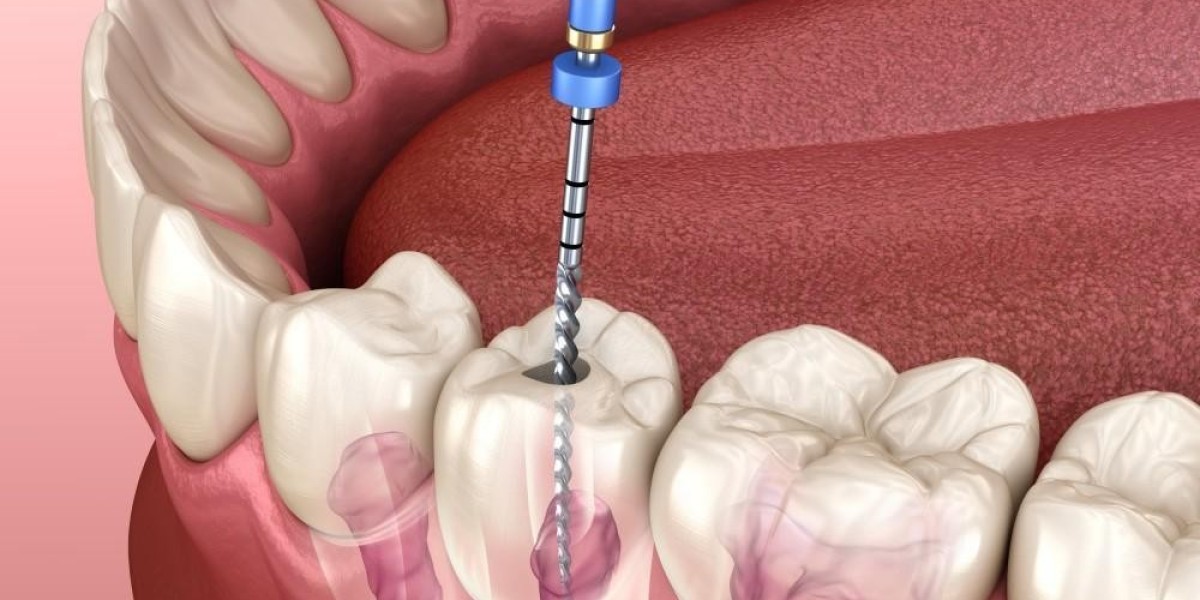

Experiencing a sore root canal tooth after treatment can be alarming, especially when the procedure is intended to relieve pain rather than cause it. Mild soreness is actually very common and typically part of the healing process. It occurs because while the infected pulp is removed during a root canal, the surrounding tissues, ligaments, and bone still need time to recover from inflammation and trauma caused by the infection and the procedure.
Root canal treatment is highly effective, but it does involve a degree of tissue manipulation that can result in temporary discomfort. Patients often wonder why the tooth feels sensitive, tender, or painful when chewing. Understanding the reasons behind this soreness helps reduce anxiety and ensures proper aftercare for a smooth recovery.
If you follow professional dental advice today, you’ll know that post-treatment tenderness is expected, but knowing what is normal versus concerning is crucial. Soreness may last a few days, but recognizing warning signs allows you to act promptly if intervention is needed.
Why Does a Root Canal Tooth Feel Sore?
Even after the pulp is removed, the tissues surrounding the tooth can remain inflamed. This inflammation is one of the main reasons a tooth may feel sore after a root canal.
Inflammation of the Surrounding Tissues
During the procedure, the dentist cleans and shapes the root canals. While this is precise work, it naturally irritates the tissues around the tooth’s root. The ligaments that hold the tooth in place and the surrounding bone may react with swelling and tenderness.
This soreness usually peaks within the first 24–48 hours and gradually improves over time.
Pressure from Bite or Chewing
Sometimes the temporary or permanent filling may slightly alter the bite. A tooth that feels “high” can experience extra pressure when biting down, causing pain. This is a common source of post-treatment soreness.
A quick adjustment by your dentist usually resolves this issue.
Residual Infection or Complicated Canals
Certain teeth, like molars, have multiple canals that may be difficult to clean thoroughly. Occasionally, bacteria may remain in a hidden canal or an infection may not have fully resolved, contributing to continued discomfort. In rare cases, retreatment may be necessary.
Normal Healing vs. Signs of Complications
Soreness after a root canal is normal, but it’s important to distinguish between expected healing and signs of a potential problem.
What Normal Pain Feels Like
Normal post-treatment discomfort often includes:
Mild to moderate tenderness
Sensitivity when biting or chewing
A dull ache that gradually improves
Most people notice significant relief within 2–5 days.
Warning Signs That Require Attention
Contact your dentist if you experience:
Increasing or severe pain
Swelling of the gums, jaw, or face
Fever or drainage from the tooth
Persistent pain beyond a week
These could indicate infection, bite issues, or other complications.
Monitoring Your Symptoms
Tracking your symptoms daily helps you know whether healing is progressing normally. Keep a log of pain levels, swelling, or any new sensations, and report them to your dentist if needed.
How Long Does Soreness Last?
The duration of post-root canal soreness varies depending on the tooth, severity of the infection, and individual healing capacity.
First 24–48 Hours
Tenderness and mild swelling are most pronounced during this period. Using over-the-counter pain medications can help alleviate discomfort.
Days 3–5
Most patients notice significant improvement. Chewing and daily activities should become easier, though some minor tenderness may remain.
Beyond One Week
Lingering soreness after a week is uncommon. If discomfort persists, consult your dentist to rule out issues such as a high bite, missed canal, or lingering infection.
Home Remedies to Relieve Root Canal Soreness
Most post-treatment discomfort can be managed at home with simple, safe methods.
Pain Relievers
Over-the-counter medications like ibuprofen or acetaminophen help reduce inflammation and relieve soreness. Take them as directed by your dentist or pharmacist.
Avoid Chewing on the Treated Side
Give your healing tooth a break from pressure. Stick to soft foods such as:
Yogurt
Mashed potatoes
Soups
Smoothies
Avoid hard, crunchy, or sticky foods during the first few days.
Cold Compresses
Applying a cold pack to the outside of your cheek helps reduce swelling and discomfort. Use for 10–15 minutes at a time, with breaks in between.
Additional Oral Care Tips
Caring for your tooth and surrounding tissues helps speed recovery and prevent reinfection.
Salt Water Rinses
A gentle rinse with warm salt water (½ teaspoon salt in a cup of warm water) helps reduce inflammation and keep the area clean. Repeat 2–3 times daily.
Gentle Brushing and Flossing
Maintain your regular oral hygiene routine, but avoid aggressive brushing near the treated tooth. Floss carefully to prevent dislodging temporary fillings.
Stay Hydrated and Rested
Drinking plenty of water and getting adequate rest supports overall healing. A healthy immune system can reduce post-treatment discomfort.
H2: When Professional Intervention May Be Needed
Though most soreness is temporary, some situations require your dentist’s attention.
H3: High Bite Adjustment
A filling or crown that sits slightly high can increase pressure on the tooth. Your dentist can quickly adjust it, often providing immediate relief.
Persistent or Increasing Pain
Pain that worsens over time may indicate reinfection, a missed canal, or inflammation that requires evaluation. Early intervention prevents more serious complications.
Signs of Infection
Swelling, pus, or persistent throbbing pain may suggest residual infection. Immediate dental evaluation ensures proper treatment and prevents further discomfort.
The Role of a Permanent Crown
Most root-canal-treated teeth eventually receive a crown. Crowns offer multiple benefits that help reduce soreness and protect your tooth long-term.
Strengthens the Tooth
Root canal-treated teeth can become brittle. A crown adds protection, reducing the risk of cracks and further pain.
Improves Bite Alignment
A properly fitted crown distributes bite pressure evenly, preventing localized soreness and discomfort.
Protects Against Re-infection
A crown seals the tooth from bacteria, preventing new infections and promoting long-term oral health.
Tips for Smooth Recovery
Following these tips helps ensure comfort and supports optimal healing.
Follow Your Dentist’s Instructions
Carefully follow any post-treatment guidance, including medication schedules and dietary recommendations.
Schedule Follow-up Visits
Your dentist will monitor healing and address any issues, ensuring your tooth recovers properly.
Maintain Healthy Oral Habits
Brush twice daily, floss once, and visit your dentist regularly. Healthy teeth and gums reduce complications and discomfort.
FAQs
Q1: Is it normal for a root canal tooth to hurt after treatment?
A: Yes, mild soreness and tenderness are normal for a few days. The discomfort should gradually decrease.
Q2: How can I relieve pain at home?
A: Use over-the-counter pain relievers, apply cold compresses, rinse with salt water, and avoid chewing on the treated side.
Q3: When should I contact my dentist?
A: If pain worsens, swelling occurs, or discomfort persists beyond a week, schedule a checkup. These may indicate bite issues or lingering infection.
Conclusion
A sore root canal tooth is often part of normal healing. Inflammation, tissue irritation, and bite adjustments are the most common reasons for temporary discomfort. Most soreness fades within a few days, and simple home care, combined with guidance from dental advice today, ensures smooth recovery.
Monitoring symptoms, maintaining good oral hygiene, and following your dentist’s instructions are key to preventing complications. If pain persists or worsens, prompt professional evaluation guarantees that your root-canal-treated tooth heals properly and remains healthy, functional, and pain-free for years to come.