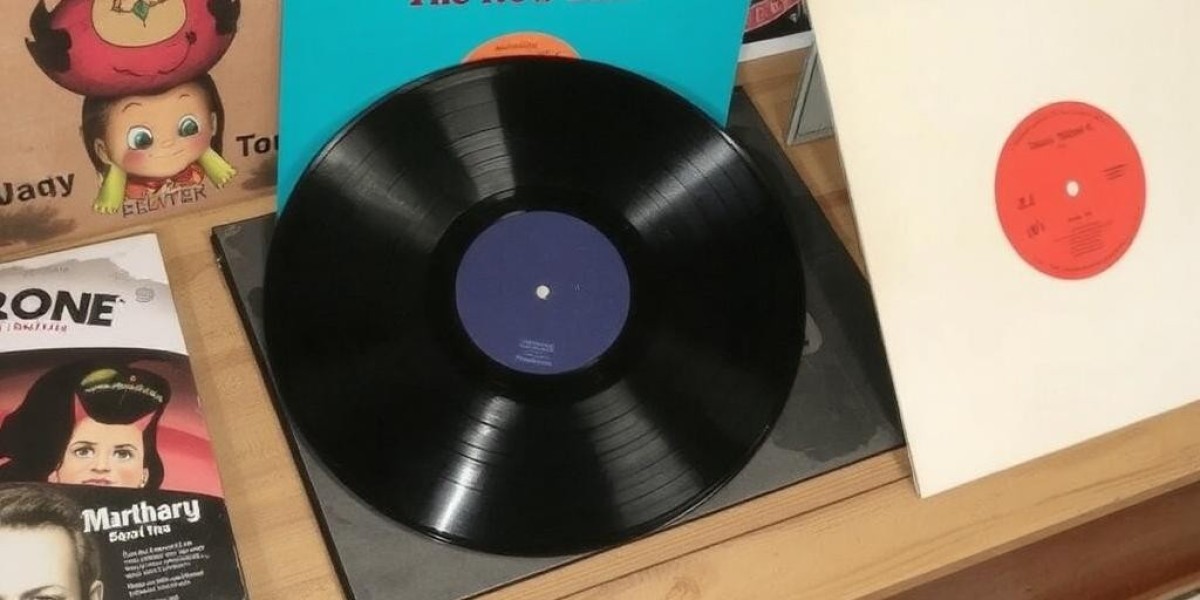

The world of Bollywood vinyl is home to a handful of extraordinarily rare pressings that command astonishing prices in the collector's market. These are not merely records; they are fragments of cinematic history, pressed in limited numbers, sometimes misunderstood in their time, now valued as cultural artifacts worth a small fortune.
At the zenith of this rarefied list sits the soundtrack to "Mera Naam Joker". The film's monumental failure in 1970 led to a swift and limited initial release of its LP. Today, an original, mint-condition copy of this Shankar-Jaikishan masterpiece is arguably the holy grail. The music, a complex and somber reflection of the film's theme, was a commercial anomaly. Tracks like "Jeena Yahan Marna Yahan" and "Ae Bhai Zara Dekh Ke Chalo" were profound departures from the era's typical fare. The combination of the film's box office disaster and the subsequent recall and destruction of unsold records makes an original pressing exceptionally scarce. In collector circles, a pristine copy has been known to fetch prices comparable to a premium musical instrument, a true investment in cinematic irony.
Equally legendary is the original 1958 pressing of "Madhumati". While the music by Salil Choudhury is celebrated, the rarity stems from its format and condition. The earliest pressings, with their distinctive Bharat Records labels and heavy shellac 78 RPM discs, are incredibly fragile. Finding a complete, unscratched set of all discs from this landmark album is a formidable challenge. The haunting melodies of "Aaja Re Pardesi" and "Suhana Safar" captured on these early discs possess a specific tonal quality that later reissues could not perfectly replicate. A complete, well-preserved set represents the pinnacle of Indian vinyl collecting, a treasure trove of melodic genius from the golden age.
Venturing into the realm of regional pressings unveils another category of rarity. The original UK or European pressing of "Pakeezah" (1972), for instance, holds immense value. Ghulam Mohammed's exquisite, classically rooted score, with Lata Mangeshkar's ethereal vocals, was pressed in limited quantities for the overseas market. These foreign pressings often used higher-grade vinyl and different mastering, resulting in a distinct, sometimes superior, audio fidelity compared to their Indian counterparts. The album's slow-burn path to classic status meant these early overseas editions had a very limited print run, making them highly sought-after trophies for global collectors.
Another film that languished in obscurity before being re-evaluated is "Tere Mere Sapne" (1971). The soundtrack, composed by the relatively lesser-known duo of Shankar-Jaikishan (assisted by a young Rahul Dev Burman), was a commercial disappointment. Songs like "Chal Sanyasi" and "Phoolon Ka Taaron Ka" are now considered hidden gems of the R.D. Burman idiom. The original LP had a minimal release, and most copies were likely discarded or neglected. Consequently, finding an original in good condition is a rare event. Its value lies in its obscurity and its crucial place in the transitional period of Bollywood music, marking the ascent of a new maestro.
The phenomenon of the "promotional" or "test pressing" also creates astronomical value. A white-label test pressing of R.D. Burman's "The Burning Train" (1980), for instance, would be a museum piece. These pre-production copies, often with hand-written labels, were sent for review and quality checks. They represent the very first physical incarnation of the soundtrack, free from the minor alterations that sometimes occurred before the commercial run. For a fan of Burman's energetic, disco-infused score in this film, owning such a piece is akin to owning the original manuscript of a great novel.
The hunt for these records is a pursuit shrouded in legend, conducted in specialized auction houses, obscure flea markets abroad, and through discreet networks of connoisseurs. Their value is dictated by a perfect storm of factors: commercial failure leading to limited pressings, physical fragility, unique mastering, and the slow, posthumous appreciation of an artist's work. To own one is to hold a piece of history that narrowly escaped oblivion. It is a reminder that in the world of collecting, artistic merit and commercial fate often intertwine to create objects of priceless desire. For those who listen, these rare grooves whisper stories not just of music, but of time, chance, and survival.
viewnow viewnow viewnow viewnow viewnow viewnow viewnow viewnow viewnow viewnow viewnow viewnow viewnow viewnow viewnow viewnow viewnow viewnow viewnow viewnow viewnow viewnow viewnow viewnow viewnow viewnow viewnow viewnow viewnow viewnow viewnow viewnow viewnow viewnow viewnow viewnow viewnow viewnow viewnow viewnow viewnow viewnow viewnow viewnow viewnow viewnow viewnow viewnow viewnow viewnow viewnow viewnow viewnow viewnow viewnow viewnow viewnow viewnow viewnow viewnow viewnow viewnow viewnow viewnow viewnow viewnow viewnow viewnow viewnow viewnow viewnow viewnow viewnow viewnow viewnow viewnow viewnow viewnow viewnow viewnow viewnow viewnow viewnow viewnow viewnow viewnow viewnow viewnow viewnow viewnow viewnow viewnow viewnow viewnow viewnow viewnow viewnow viewnow viewnow viewnow viewnow viewnow viewnow viewnow viewnow viewnow viewnow viewnow viewnow viewnow viewnow viewnow viewnow viewnow viewnow viewnow viewnow viewnow viewnow viewnow viewnow viewnow viewnow viewnow viewnow viewnow viewnow viewnow viewnow viewnow viewnow viewnow viewnow viewnow viewnow viewnow viewnow viewnow viewnow viewnow viewnow viewnow viewnow viewnow viewnow viewnow viewnow viewnow viewnow viewnow viewnow viewnow viewnow viewnow