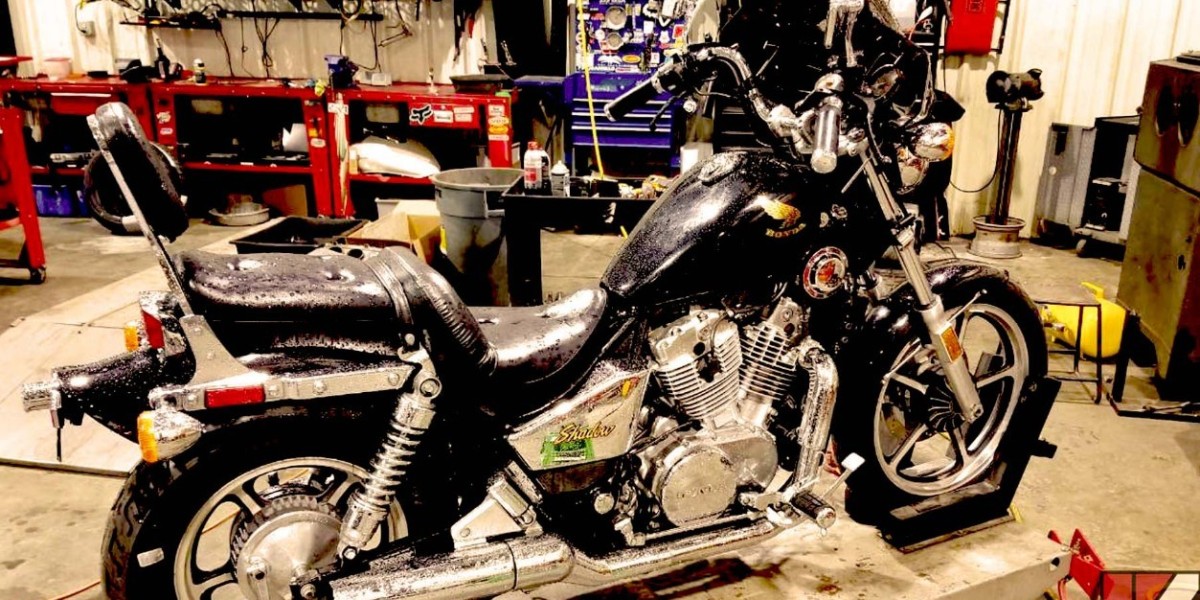

Storing a motorcycle for an extended period can cause fuel to degrade, leaving behind varnish and deposits that clog the fuel system. When you bring your bike out of storage, flushing the fuel system is crucial to prevent engine problems and ensure smooth operation. Proper fuel system maintenance improves performance, extends the lifespan of engine components, and avoids costly repairs. While experienced riders may be familiar with the process, beginners or those unfamiliar with motorcycle maintenance may benefit from structured guidance. This article explores the steps to flush a motorcycle fuel system safely and effectively, highlighting why professional training, such as a Motorbike Maintenance Course, can be invaluable.
Why Fuel System Flushing Is Important
Over time, fuel can break down and leave behind deposits in the fuel lines, carburetors, injectors, and fuel tank. These residues can restrict fuel flow, reduce engine efficiency, and even prevent the bike from starting. Flushing the fuel system after long-term storage clears out old fuel and contaminants, ensuring that fresh fuel circulates correctly. Regular maintenance, including fuel system flushing, protects sensitive engine components and helps the motorcycle run at peak performance. Riders who understand the importance of preventive care are better prepared to manage their bikes safely and economically, avoiding unexpected issues after periods of inactivity.
Preparing for the Flush
Before starting, it is essential to gather all necessary tools and safety equipment. You will need fresh fuel, appropriate cleaning solutions, gloves, and safety glasses. Ensuring the motorcycle is on a stable surface and the engine is cool is critical to prevent accidents. Disconnect the battery to reduce electrical risks, and prepare containers to safely drain old fuel. Preparing thoroughly not only improves safety but also ensures the process is efficient. Those who take a structured approach to motorcycle maintenance, such as through a Motorbike Maintenance Course, learn these preparatory steps in detail, building confidence for hands-on procedures.
Draining Old Fuel
The first step in flushing the fuel system is to remove all old fuel from the tank. Open the fuel tap and allow the fuel to drain into a suitable container for safe disposal. If your motorcycle has a fuel petcock or drain plug, use it to empty the tank completely. For fuel-injected models, additional steps may involve removing fuel lines under pressure, so careful attention to manufacturer instructions is essential. Draining old fuel ensures that residual contaminants are removed and prevents mixing with fresh fuel, which could reduce engine performance. Proper handling during this step is critical for safety and efficiency.
Cleaning the Fuel Lines and Carburetor
Once the tank is empty, focus on the fuel lines and carburetor (or injectors). Disconnect fuel lines carefully and flush them with a suitable fuel system cleaner or fresh gasoline. For carbureted motorcycles, disassemble the carburetor and clean jets, floats, and passages to remove varnish or sludge buildup. Fuel-injected motorcycles may require specialized cleaning solutions or professional service to maintain injector efficiency. Cleaning these components ensures optimal fuel flow, smooth engine operation, and prevents starting issues. Training in a Motorbike Maintenance Course helps riders understand the nuances of different motorcycle systems, making this step safer and more effective.
Refilling and Testing
After flushing and cleaning, reassemble the fuel system and refill the tank with fresh gasoline. Check all connections to ensure there are no leaks, and reconnect the battery. Start the engine and let it run at idle to circulate fuel throughout the system. Pay attention to performance, unusual noises, or hesitation, as these may indicate remaining blockages or maintenance issues. Testing ensures the flush was successful and provides an opportunity to fine-tune the system for optimal performance. Proper post-maintenance checks are a crucial part of safe motorcycle operation.
Advantages of Professional Training
While many riders can perform basic maintenance, enrolling in a Motorbike Maintenance Course provides structured, hands-on experience that ensures procedures are performed correctly. Such courses cover fuel system maintenance, troubleshooting, and preventive care, equipping riders with confidence and practical skills. Professional training also teaches best practices for safety, efficiency, and long-term bike performance. Whether you are a beginner or an experienced rider, learning from experts reduces the risk of mistakes and prepares you for a wide range of maintenance tasks.
Conclusion
Flushing the motorcycle fuel system after long-term storage is essential to maintain engine performance and prevent damage. Proper preparation, safe draining, thorough cleaning, and careful reassembly are key steps to ensure a successful flush. For those seeking confidence and comprehensive knowledge, enrolling in a Motorbike Maintenance Course provides hands-on training and expert guidance.


