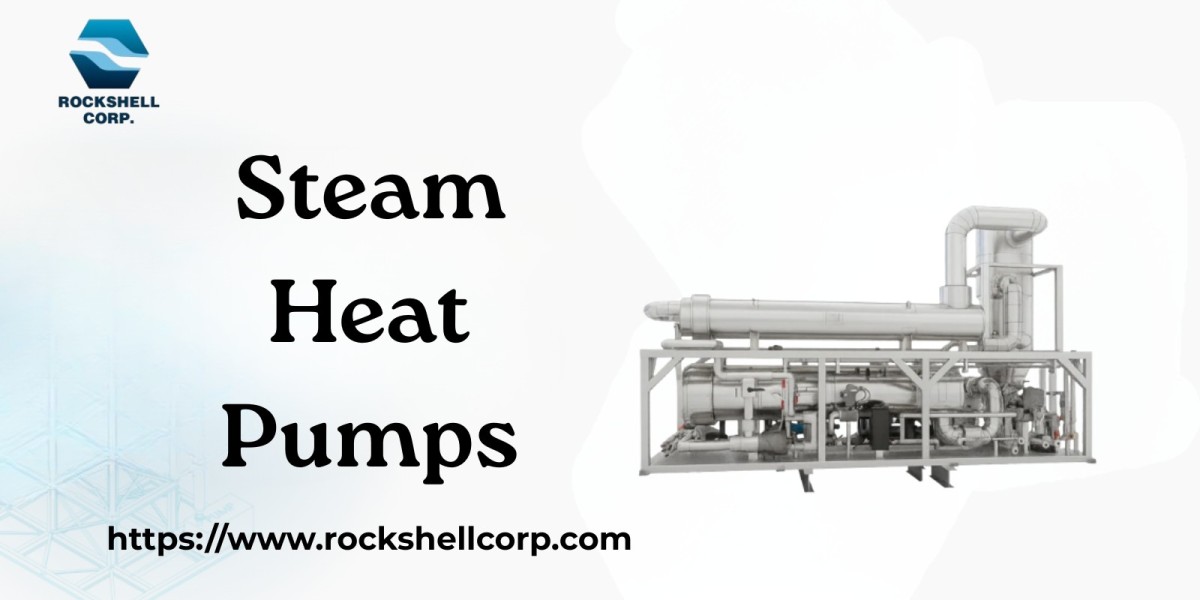

A steam heat pump is designed to provide efficient and sustainable high-temperature heating for industrial applications. Like any advanced mechanical system, proper maintenance plays a crucial role in ensuring performance, safety, durability, and energy efficiency. Industrial facilities using steam-based heat pumps must follow a structured maintenance plan to avoid breakdowns, production delays, and higher operating costs.
Why Maintenance Matters for Steam Heat Pumps
Steam heat pumps operate at elevated temperatures, handle variable load conditions, and interact with complex industrial systems. Over time, component wear, water impurities, scaling, and refrigerant issues can affect heating output and reliability. Regular maintenance helps industries:
Maintain consistent thermal output
Reduce energy consumption
Extend equipment lifespan
Improve ROI
Reduce downtime and emergency repairs
Industries such as textile, chemical, food processing, pharmaceuticals, and beverage manufacturing depend on stable thermal performance, making maintenance even more critical.
1. Inspection of Heat Exchangers
Heat exchangers are central to the performance of industrial steam heat pumps. Their efficiency directly affects output temperature and energy consumption.
Maintenance Routine Includes:
Cleaning internal and external surfaces to prevent scaling
Checking for corrosion or mineral buildup
Monitoring ΔT (temperature difference) and thermal transfer rate
Inspecting joints and gaskets for leakages
If scaling is left unattended, heat exchangers struggle to transfer heat effectively, increasing pressure on compressors and reducing energy efficiency.
2. Monitoring Water Quality and Filtration
Since steam systems are water-dependent, water quality management is essential. Impurities, hardness, or dissolved solids accelerate fouling, corrosion, and scale buildup.
Recommended Practices:
Periodic chemical water testing
Installation of inline filtration or softening units
Monitoring condensate return quality
Regular descaling if necessary
Clean water results in smoother heat transfer, optimized thermal performance, and reduced maintenance frequency.
3. Compressor and Refrigerant Maintenance
The compressor is the heart of a steam heat pump, driving heat transfer across temperature stages. To maintain reliability and performance, industries must focus on:
Key Maintenance Steps:
Inspect compressor lubrication systems
Monitor vibration, noise, and motor efficiency
Check refrigerant levels and charge pressure
Inspect refrigerant lines for leaks or moisture intrusion
Low refrigerant charge or lubrication issues can cause overheating, reduced heating capacity, and premature compressor wear.
4. Steam and Condensate Line Inspection
Industrial steam heat pumps interact with steam lines, condensate returns, valves, traps, and pressure control systems.
Preventive Maintenance Activities:
Inspect steam traps and pressure valves
Check condensate recovery function
Monitor steam line insulation and losses
Inspect for leaks and improper venting
A well-maintained steam network helps maintain stable temperature levels and reduces energy waste.
5. Electrical and Control System Maintenance
Steam heat pumps are automated systems with digital controllers, sensors, and safety interlocks. Proper monitoring ensures stable operation and protects against failures.
Maintenance Steps:
Calibration of process sensors and temperature probes
Monitoring communication with building automation systems
Inspecting breakers, wiring, and load conditions
Software or firmware updates for better control algorithms
Predictive control technologies significantly reduce operational risk and enhance heating precision.
6. Mechanical Inspection and Rotating Parts
Although steam heat pumps have fewer moving parts compared to boilers, rotating components still require routine care.
Maintenance Actions:
Bearing lubrication
Fan and motor alignment checks
Sealing and vibration monitoring
Inspection of belts and couplings
Mechanical health ensures stable operation and smoother energy transfer without performance drops.
7. Safety, Compliance, and Performance Monitoring
Industrial steam systems operate under strict safety and performance criteria. Facilities must regularly monitor:
Pressure limits and safety valves
Hazard and leak detection systems
Compliance documentation and audits
Energy consumption trends and performance KPIs
A good practice is to integrate continuous monitoring through SCADA or IoT systems for real-time diagnostics and predictive maintenance.
Maintenance Frequency and Best Practices
Suggested Schedule:
Daily: Monitor thermal output, pressure, and alarms
Weekly: Inspect condensate and pipeline conditions
Monthly: Check heat exchangers, water filters, and control parameters
Quarterly: Analyze compressor health, refrigerant levels, and scaling
Annually: Conduct full performance audit, calibration, and descaling
The best approach is a predictive maintenance strategy, where sensor-based monitoring detects issues before failure, reducing shutdown risks.
Conclusion
A well-maintained steam heat pump ensures higher energy efficiency, stronger heating performance, and longer operating life. Heat exchanger cleaning, water quality checks, refrigerant inspection, electrical calibration, and steam network monitoring are essential to maintain operational reliability. Industrial facilities that invest in structured maintenance can significantly reduce downtime, extend system life, and meet sustainability goals.