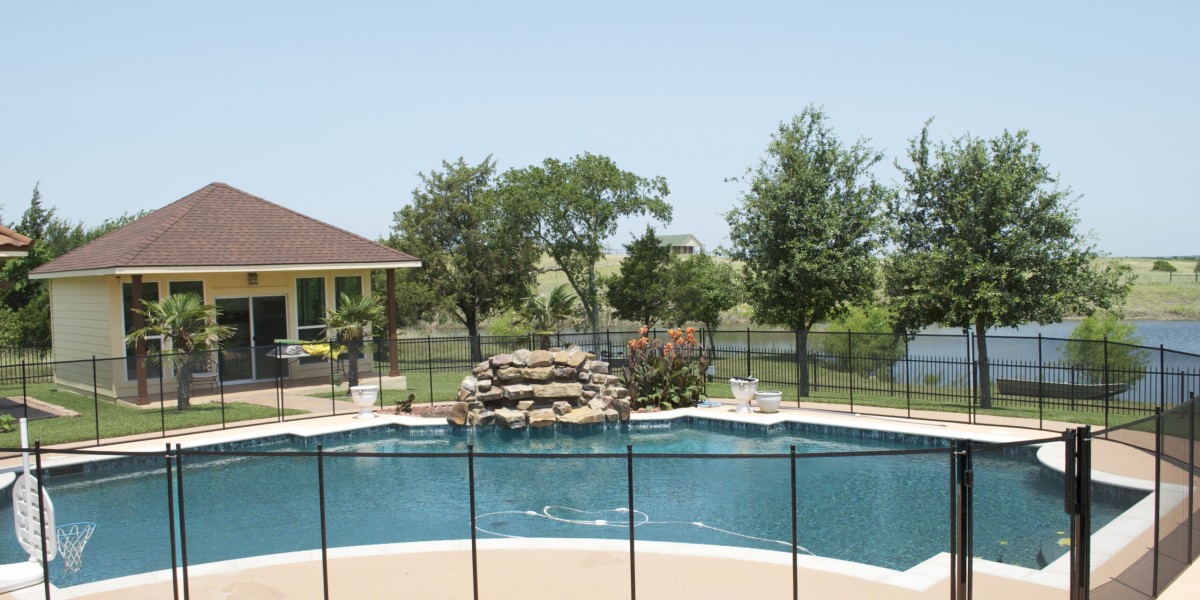

Installing a swimming pool is an exciting upgrade to your home, but before any digging begins, it’s important to understand the permitting requirements. Whether you're adding an in-ground pool, above-ground pool, or a custom luxury design, North Carolina has strict regulations to ensure safety, structural stability, and compliance with local codes. Knowing what permits you need for pool installation near you in North Carolina helps prevent delays, penalties, or costly rework.
In this guide, we’ll explain the required permits, why they matter, and how to secure them smoothly.
Why Permits Are Necessary for Pool Installation
Swimming pools involve excavation, electrical wiring, plumbing, and safety barriers. Without proper permits, you risk issues such as:
Fines from local building departments
Stoppage of ongoing work
Problems with home insurance coverage
Safety hazards that could lead to liability issues
Issues when selling your home
Permits ensure the pool is designed and installed according to North Carolina’s building and safety codes.
1. Building Permit
The most important approval for pool installation is the Building Permit. The North Carolina Residential Code requires this permit for any in-ground pool and some large above-ground pools. The building department reviews:
Pool structure and depth
Excavation plans
Structural integrity plans
Barrier or fence height
Setback requirements from the property line
You must submit precise drawings, including pool location, measurements, and layout.
Setback Requirements
Depending on your city or county, pools must be installed a certain distance away from:
Property lines
Easements
Septic systems
Wells
Other outdoor structures
The building permit ensures all measurements comply with zoning rules.
2. Electrical Permit
Any pool installation that requires electrical components also requires an Electrical Permit. This applies to:
Pool lighting
Pumps and motors
Heaters
Underwater LED systems
Automatic covers
Filter systems
The National Electric Code (NEC) is enforced in North Carolina, requiring bonding and grounding around the pool for protection against electrical shock.
A licensed electrician must complete the work, and the local inspector will check the installation before final approval.
3. Plumbing Permit
Pools require plumbing lines for water flow, drainage, and sometimes gas lines for heating. A Plumbing Permit is required when installing:
Filtration systems
Backwash lines
Drains
Skimmers
Water supply connections
Gas lines for pool heaters
Plumbing permits ensure everything meets safety standards, prevents leaks, and keeps your pool’s water system functioning properly.
4. Zoning Permit
A Zoning Permit verifies that your pool location aligns with local land-use rules. This includes:
Fence placement
Setback distance
Pool size and shape
Environmental restrictions
Drainage requirements
Some areas of North Carolina—especially flood zones—require special approvals. If your home is in a low-lying or environmentally sensitive area, expect additional zoning reviews.
5. Fence or Barrier Permit
North Carolina law requires that all residential pools have a safety barrier or fence at least 48 inches tall with self-closing and self-latching gates. Some counties require a separate Barrier Permit, while others include it in the building permit.
Barriers help prevent accidental entry, especially for children or pets. Inspectors will check:
Fence height
Gate mechanisms
Gaps between slats
Distance between pool edge and barrier
Make sure railing design complies with local mandates before installation.
6. HOA Approval (If Applicable)
If you live in a community with a homeowners association, you’ll likely need HOA approval before installing a pool. This isn’t a government permit, but it’s just as important. HOAs may restrict:
Pool size
Placement
Fence design
Materials
Landscaping around the pool
Submit design drawings early to avoid delays.
How to Get the Permits for Pool Installation in North Carolina
Getting the necessary permits can feel overwhelming, but following the right steps makes the process smooth:
Step 1: Hire a Professional Pool Contractor
A qualified pool installer in North Carolina will take care of most permit applications for you. They understand local codes and prevent costly mistakes.
Step 2: Gather Required Documents
This usually includes:
Pool layout and site plan
Construction drawings
Electrical and plumbing diagrams
Setback measurements
Fence or barrier plans
Step 3: Submit Applications to the Local Building Department
Permits must be submitted to your city or county. Each municipality may have slightly different rules, so it’s important to check local guidelines.
Step 4: Schedule Inspections
Before the project is complete, expect multiple inspections, including:
Pre-excavation
Electrical rough-in
Plumbing rough-in
Barrier inspection
Final inspection
Only after passing inspections can the pool be officially approved for use.
Final Thoughts
Understanding what permits you need for pool installation near you in North Carolina helps you avoid lengthy delays and unexpected expenses. Whether you’re planning a simple above-ground pool or a custom in-ground design, securing building, electrical, plumbing, zoning, and barrier permits is essential for safe and legal construction. By working with an experienced pool contractor, you can ensure everything complies with North Carolina codes and enjoy a smooth installation process.


