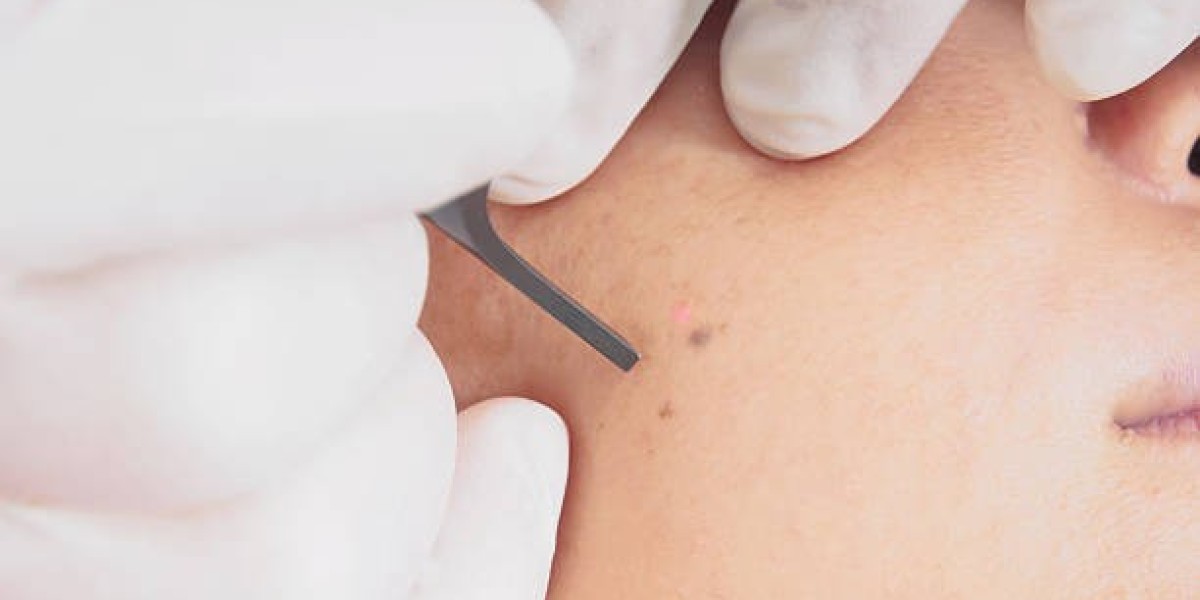

Wart removal has evolved significantly, with multiple professional methods available to treat these common skin growths effectively. Among the most frequently used techniques are cryotherapy and electrosurgery. Understanding the differences between these treatments can help patients make informed choices. Professional wart removal in Riyadh (إزالة الثآليل في الرياض) ensures the right method is selected for safe and effective results.
What is Cryotherapy?
Cryotherapy involves freezing the wart using liquid nitrogen or a similar cooling agent. The extreme cold destroys the wart tissue while minimizing damage to surrounding skin. Cryotherapy is widely used due to its speed, effectiveness, and minimal invasiveness.
Benefits of Cryotherapy
Quick treatment sessions
Minimally invasive with little discomfort
Effective for common warts and small warts on hands and feet
Minimal risk of scarring when performed correctly
Cryotherapy is ideal for patients seeking a fast and straightforward wart removal option.
What is Electrosurgery?
Electrosurgery, also called electro-cauterization, uses an electrical current to burn and remove wart tissue. This method allows precise targeting of the wart while controlling bleeding. Electrosurgery is typically reserved for larger or resistant warts that do not respond to other treatments.
Benefits of Electrosurgery
Effective for stubborn or large warts
High precision, reducing risk to surrounding skin
Can remove warts in sensitive areas
Often combined with curettage to ensure complete removal
Electrosurgery provides a durable solution for warts that have persisted despite other treatments.
Key Differences Between Cryotherapy and Electrosurgery
Cryotherapy works by freezing the wart tissue, making it suitable for small to medium-sized warts, with mild stinging or tingling as the main discomfort. Recovery is typically short, and the risk of scarring is low, though multiple sessions may be required.
Electrosurgery uses electrical burning, which is ideal for large or resistant warts. It offers high precision, often requiring fewer sessions, but may cause moderate discomfort and a slightly longer healing period. The risk of scarring is slightly higher compared to cryotherapy, but proper professional care minimizes this risk.
Choosing the Right Method
Professional wart removal in Riyadh involves evaluating several factors before selecting a treatment:
Wart type and size
Location and sensitivity of surrounding skin
Patient health and pain tolerance
History of wart recurrence
A dermatologist can recommend the most suitable method based on these considerations, ensuring safe, effective, and cosmetically favorable results.
Post-Treatment Care
Both cryotherapy and electrosurgery require proper aftercare to support healing and prevent recurrence:
Keep the area clean and dry
Avoid scratching or picking at the treated site
Apply recommended ointments to reduce irritation
Monitor for signs of infection and consult a dermatologist if necessary
Following professional aftercare instructions accelerates recovery and enhances overall results.
Choosing a Trusted Clinic
Selecting a reputable clinic ensures professional assessment, safe procedures, and optimal outcomes. Royal Clinic Saudia provides expert dermatologists, advanced wart removal technology, and personalized aftercare plans for safe and effective treatment.
Booking an Appointment
For safe, precise, and effective treatment, schedule a consultation at Royal Clinic Saudia (عيادات رويال كلينك). Their specialists offer professional wart removal in Riyadh, guiding you in choosing the right method for your wart type and skin needs.
FAQs:
Which method is less painful: cryotherapy or electrosurgery?
Cryotherapy is usually less painful, though electrosurgery may require local anesthesia for comfort.
Can all warts be treated with cryotherapy?
Cryotherapy works best for small to medium warts; large or resistant warts may require electrosurgery.
Which method has a faster recovery time?
Cryotherapy generally allows faster recovery, while electrosurgery may involve minor healing.
Does electrosurgery increase scarring risk?
There is a slightly higher risk of scarring, which can be minimized with professional care and proper aftercare.