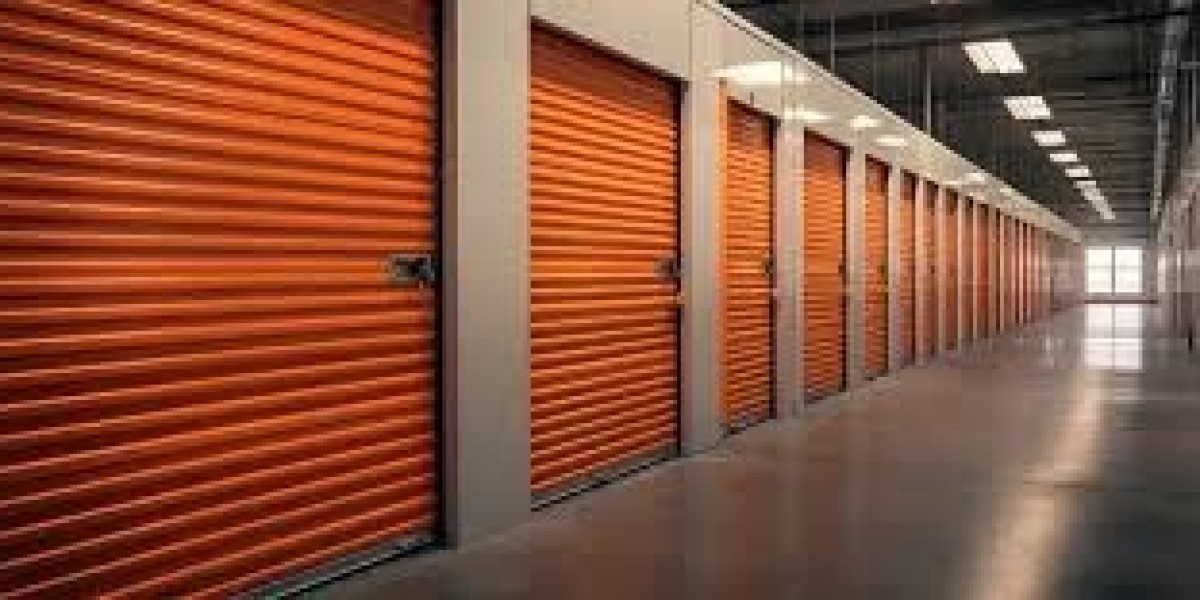

Renting a storage unit is an increasingly popular solution for people who need extra space. Whether you’re moving, decluttering, renovating, or storing seasonal items, a storage unit offers convenience and security. However, one of the first questions people ask is: “How much will it cost?” Storage unit cost depends on multiple factors, and understanding these can help you choose the right unit while avoiding unexpected expenses.
Factors That Influence Storage Unit Cost
Storage unit costs are not uniform. Prices can vary widely depending on several key factors:
1 Location
The facility’s location has a major impact on pricing. Urban areas with higher demand usually have higher costs, while suburban or rural locations may offer lower rates. For example, storage units in Los Angeles or New York City are generally more expensive than in smaller towns.
2 Climate Control
Units with climate control are ideal for sensitive items like electronics, artwork, and wooden furniture. These units maintain consistent temperature and humidity levels and generally cost more than standard units.
3 Security Features
Facilities with gated access, surveillance cameras, and on-site staff may charge higher rates. The additional cost ensures better protection for your belongings.
4 Accessibility
Units with 24/7 access or drive-up availability often come at a premium because of the convenience they provide.
5 Lease Terms
Most storage units are rented on a month-to-month basis. Some facilities offer discounts for long-term leases. Always check the rental agreement for fees related to late payments or early termination.
Tips to Save on Storage Costs
1. Compare Facilities
Check multiple facilities for pricing, unit sizes, and amenities to ensure you get the best value.
2. Take Advantage of Promotions
Many storage providers offer move-in specials, discounts for the first month, or free months for long-term rentals.
3. Choose the Right Size
Avoid paying for extra space you don’t need. Properly estimate the amount of storage required before renting.
4. Off-Peak Locations
Units slightly outside city centers or in less busy neighborhoods can be more affordable while still providing convenient access.
5. Efficient Packing
Stack boxes carefully, use shelving, and disassemble large furniture to maximize space in a smaller unit.
6. Share the Unit
Sharing a storage unit with a trusted friend or family member can help reduce costs.
Additional Costs to Consider
Insurance: Many facilities require renters’ insurance for protection against loss or damage.
Administrative Fees: Some facilities charge move-in or setup fees.
Late Fees: Late monthly payments can result in additional charges.
Access Fees: After-hours or 24/7 access may have extra fees.
Understanding these potential additional costs helps you budget effectively.
Why Storage Units Are Worth the Investment
Although storage units involve ongoing costs, they provide:
Security for valuable or seasonal items
Convenient space during moves or renovations
Peace of mind knowing items are safely stored
Flexibility to scale storage needs up or down
Choosing the right unit ensures that your belongings are protected, accessible, and organized.
Conclusion
Storage unit costs depend on several factors, including location, size, amenities, and lease terms. By carefully evaluating your storage needs, comparing facilities, and considering additional fees, you can find a solution that fits your budget and lifestyle. Renting a storage unit is not just about space—it’s about convenience, security, and making your life more organized. Proper planning ensures that you get the most value for your money while keeping your belongings safe and accessible.