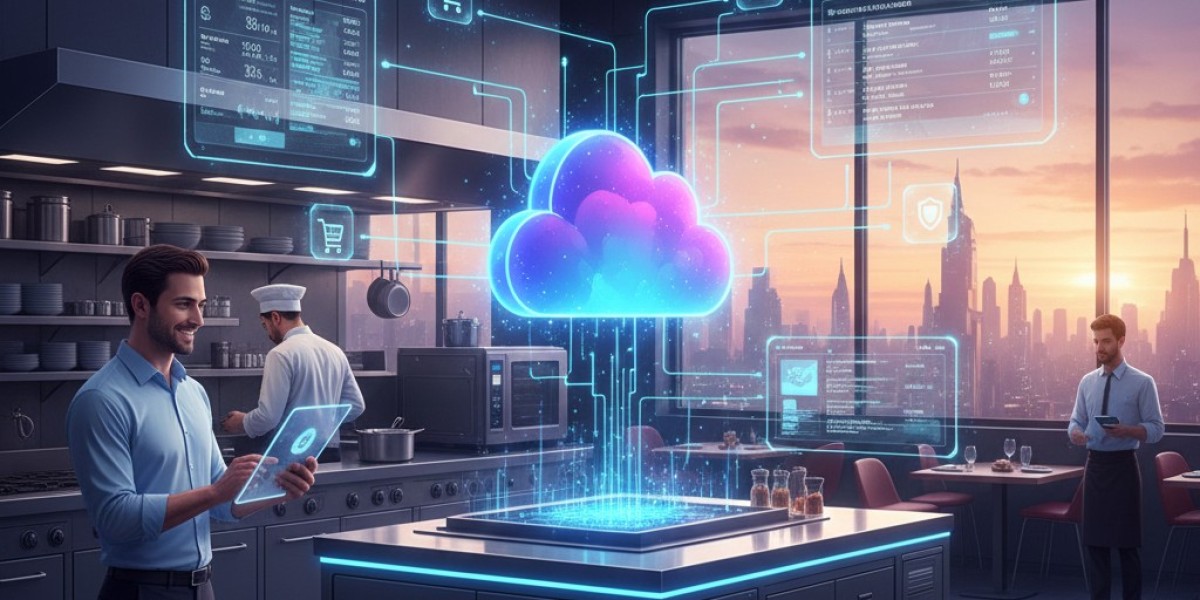

The restaurant industry is experiencing a technological revolution. In 2025, Cloud-Based Restaurant Management Systems have become essential tools for restaurant owners who want to stay competitive, reduce operational costs, and deliver exceptional dining experiences. Whether you're managing a small café or a multi-location franchise, understanding how these systems work can transform your business operations.
According to recent industry data, 52% of restaurants have already invested in cloud-based POS systems, and this number continues to grow as more operators recognize the value of real-time data access and streamlined operations.
What is a Cloud-Based Restaurant Management System?
A Cloud-Based Restaurant Management Software is an integrated platform that runs on internet servers rather than local computers. Unlike traditional systems that require physical installation and regular manual updates, cloud-based solutions offer real-time synchronization across all devices and locations.
These systems typically include:
- Point of Sale (POS) functionality
- Inventory tracking and management
- Employee scheduling and payroll
- Customer relationship management (CRM)
- Analytics and reporting tools
- Online ordering integration
- Kitchen display systems
The key advantage? You can access your restaurant's data anywhere, anytime, from any device with an internet connection.
Why Cloud-Based POS Systems Are Dominating in 2025
The shift toward cloud-based POS systems for restaurants isn't just a trend—it's a fundamental change in how restaurants operate. The market value for cloud-based POS software has grown from $2.24 billion in 2020 to a projected $13.24 billion by 2028, reflecting the massive adoption across the industry.
Key Benefits of Cloud-Based Systems:
Real-Time Data Access Managers can monitor sales, edit menus, and review reports from anywhere. Whether you're at home, traveling, or managing multiple locations, you have complete visibility into your operations. Modern POS Systems feature AI-powered analytics that provide actionable insights into sales trends, customer preferences, and staff performance.
Automatic Updates and Maintenance
Unlike legacy systems that require manual software updates and IT support, cloud-based platforms update automatically. This means you always have access to the latest features, security patches, and improvements without downtime.
Scalability for Growing Businesses
Starting small? No problem. Cloud-Based Systems accommodate any size of inventory and scale seamlessly as your business grows. Add new menu items, open additional locations, or integrate new features without replacing your entire system.
Enhanced Security and Compliance
Modern cloud platforms employ bank-level encryption and comply with Payment Card Industry Data Security Standards (PCI DSS). Your customer data and transaction information remain protected with multiple layers of security.
Cost-Effective Operations
By eliminating expensive hardware requirements and reducing IT maintenance costs, cloud-based systems offer significant long-term savings. Many providers offer flexible pricing models that scale with your business needs.
Essential Features of Modern Restaurant Management Software
When evaluating a cloud-based restaurant management system, look for these critical features:
1. Integrated Point of Sale (POS)
Your POS should be more than just a payment processor. Restaurants using analytics-driven POS Systems report a 15-20% increase in profitability thanks to better decision-making and resource allocation.
Modern cloud-based POS systems offer:
- Quick order processing with minimal lag time
- Customizable menu layouts
- Multiple payment options including contactless payments
- Split check functionality
- Tip management
- Integration with kitchen display systems
2. Advanced Table Reservation System for Restaurants
A robust Table Reservation System For Restaurants has become non-negotiable in 2025. Venues using advanced reservation software see up to 30% more table turnover and fewer empty seats than those relying on manual methods.
What makes a great reservation system:
- Real-time availability updates
- Online booking through your website and social media
- Automated confirmation emails and SMS reminders
- Visual floor plans for efficient table management
- Waitlist management during peak hours
- Guest preference tracking and CRM integration
- Multi-channel reservation capture
Research shows that 64% of full-service restaurant customers now prioritize dining experience over meal price, making seamless reservation management crucial for customer satisfaction.
3. Comprehensive Kitchen Management System
Your kitchen management system should streamline back-of-house operations and improve communication between front and back staff. Early adopter chains cut food waste by 15% after implementing AI-powered inventory systems that optimize ordering and detect anomalies.
Essential kitchen management features:
- Digital kitchen display systems (KDS) replacing paper tickets
- Real-time order tracking and prioritization
- Automated inventory updates with each order
- Recipe management with standardized portions
- Food cost tracking and analysis
- Prep list generation based on forecasted demand
- Integration with suppliers for automated ordering
Modern systems use AI to predict peak dining times and suggest optimal staffing levels, ensuring your kitchen runs efficiently even during the busiest services.
4. Food Riders Integration and Delivery Management
Food Riders and delivery services have become integral to restaurant revenue. Restaurants that integrated online ordering and delivery platforms saw a 30% increase in revenue, with the online food delivery market expected to surge from $3.7 billion in 2023 to $90.3 billion by 2030.
Your system should:
- Integrate with third-party delivery platforms (Uber Eats, DoorDash, etc.)
- Manage direct delivery orders through your own website/app
- Track delivery driver assignments and locations
- Provide real-time order status updates
- Consolidate all orders in one dashboard
- Sync delivery orders with kitchen operations
Pro Tip: Building your own direct ordering system reduces commission fees paid to third-party platforms, potentially improving takeout profits by up to 30%.
5. Inventory Management and Cost Control
Effective inventory management is the backbone of profitability. Your system should:
- Track ingredient usage in real-time
- Set automatic reorder points for low stock items
- Monitor expiration dates to minimize waste
- Provide detailed cost analysis per dish
- Generate purchase orders automatically
- Integrate with supplier systems for seamless ordering
- Offer predictive analytics for demand forecasting
AI can predict peak dining times, optimize inventory orders, and help analyze menu performance, flagging when dishes aren't selling as expected or suggesting promotions to move inventory.
The AI Revolution in Restaurant Management
Artificial intelligence is no longer futuristic—it's actively transforming restaurant operations right now. AI in the Food & Beverages Market is projected to grow from $9.68 billion in 2025 to $48.99 billion by 2029 at a CAGR of 38.30%.
How AI Enhances Restaurant Operations:
Predictive Analytics
AI analyzes historical booking patterns, weather data, and local events to forecast busy periods. This helps you optimize staffing, prepare adequate inventory, and prevent both understaffing and waste.
Dynamic Pricing:
Intelligent systems can adjust menu prices based on demand, time of day, or inventory levels. Offer discounts on unsold items during off-peak hours or premium pricing during high-demand periods.
Personalized Customer Experiences:
AI-powered CRM systems track customer preferences, dining history, and ordering patterns. Use this data to send targeted promotions, personalized recommendations, and birthday offers that drive repeat visits.
Automated Order Management
AI chatbots and voice-activated ordering streamline the booking and ordering process, reducing staff workload while improving customer convenience.
Menu Optimization
AI analyzes sales data to identify your most profitable dishes, suggest menu changes, and predict which new items will succeed based on customer behavior patterns.
Choosing the Right Cloud-Based Restaurant Management System
With so many options available, selecting the right system requires careful evaluation. Consider these factors:
Ease of Use
Your staff should be able to learn the system quickly without extensive training. Look for intuitive interfaces with clear navigation and logical workflows.
Integration Capabilities
Nation's Restaurant News emphasizes the importance of integration with CRM tools, accounting systems, and third-party delivery platforms. Your system should integrate seamlessly with your existing tools or offer comprehensive, built-in functionality.
Mobile Accessibility
Managers need the ability to access reports, approve changes, and monitor operations from their mobile devices, such as smartphones. Look for systems with robust mobile apps that offer full functionality.
Customer Support
Technical issues can't wait. Choose providers offering 24/7 support with quick response times. Check customer reviews to gauge actual support quality.
Pricing Structure
Understand the total cost of ownership, including:
- Monthly subscription fees
- Per-location charges for multi-unit operations
- Transaction fees (if any)
- Hardware costs
- Setup and training fees
- Additional fees for premium features
Scalability
Your system should grow with your business. Whether you plan to add delivery services, open new locations, or expand your menu, ensure the platform can accommodate your future needs.
Real-World Success: Case Studies
Independent Café Success Story
A small café in Portland implemented a cloud-based system with integrated online ordering and saw a 35% increase in takeout revenue within three months. The automated inventory management reduced food waste by 20%, directly improving profit margins.
Multi-Location Chain Optimization
A restaurant chain with 15 locations consolidated its operations onto a single cloud platform. By standardizing menu management, inventory tracking, and employee scheduling across all sites, they reduced administrative time by 40% and improved data accuracy by 95%.
Fine Dining Reservation Excellence
An upscale restaurant adopted an advanced table reservation system with guest preference tracking. By personalizing the dining experience based on past visits and preferences, they increased customer retention by 28% and average spend per visit by 15%.
Implementation Best Practices
Successfully deploying a new system requires proper planning:
Phase 1: Planning (2-4 weeks)
- Assess your current pain points and requirements
- Research and demo multiple systems
- Get buy-in from key stakeholders including staff
- Develop a realistic budget and timeline
Phase 2: Setup (1-2 weeks)
- Configure menu items, pricing, and categories
- Set up employee accounts and permissions
- Import customer data from existing systems
- Configure integrations with third-party services
- Test all features thoroughly before going live
Phase 3: Training (1-2 weeks)
- Conduct comprehensive staff training sessions
- Create quick-reference guides for common tasks
- Designate power users who can help colleagues
- Run parallel operations initially to catch issues
Phase 4: Launch and Optimization (Ongoing)
- Monitor system performance closely
- Gather staff feedback and address concerns
- Analyze reports to identify optimization opportunities
- Stay updated on new features and capabilities
Emerging Trends for 2025 and Beyond
The restaurant technology landscape continues to evolve rapidly:
Contactless Everything
63% of Americans have adopted contactless payments, with 70% of Millennials and Gen Z using them regularly. Expect continued growth in QR code ordering, mobile payments, and contactless table service.
Self-Service Kiosks
66% of US consumers prefer self-service kiosks over staffed checkouts. 30% of restaurants are investing in self-order and self-pay technologies in 2025, particularly in limited-service establishments.
Voice Integration
Voice commands for pulling sales reports, updating inventory, and managing bookings are becoming increasingly common, improving accessibility and efficiency.
Blockchain Payments


